
When stress or anxiety tightens its grip, reaching for a comforting drink can feel like the most natural reflex. That warm mug or cold glass promises a moment of calm, a brief reset for frayed nerves. But what if your go-to beverage is secretly undermining your sense of peace? The connection between what we drink and how we feel is profound, and some common choices can amplify the very sensations we’re trying to soothe.
Understanding this link is less about strict rules and more about mindful awareness. By recognizing how certain drinks interact with your body’s stress response, you can make choices that genuinely support your wellbeing during tense moments.
Why do drinks affect stress and anxiety?
Stress and anxiety aren’t just in your head; they’re full-body experiences. Your nervous system, hormones, and even your digestive system all play a role. What you consume sends direct signals to these systems. Some beverages can trigger the release of stress hormones like cortisol, overstimulate your nervous system, or lead to blood sugar spikes and crashes that mimic or worsen feelings of anxiety. Others can disrupt sleep or hydration—two pillars of emotional resilience. Choosing a drink, then, is like choosing which dials to turn on your body’s control panel during a storm.
Drinks to approach with caution when you're feeling overwhelmed
These three common categories are worth reconsidering when you feel your stress levels rising. It’s not about permanent elimination, but about recognizing they might not be the allies you need in that particular moment.
Heavily caffeinated energy drinks and shots
It’s the classic paradox: feeling drained and wired at the same time, so you reach for a turbo-charged boost. Energy drinks and concentrated shots are a perfect storm for anxiety. They deliver a massive, rapid dose of caffeine alongside stimulants like guarana and often a shocking amount of sugar. This combination can forcefully trigger your body’s “fight or flight” response, increasing heart rate, blood pressure, and jitteriness. What feels like energy is often just amplified nervous system arousal, which can easily tip into heightened anxiety, restlessness, or even panic sensations in those who are prone. The subsequent crash can then leave you feeling more depleted and low than before.
For a sustained sense of alertness, gradual caffeine from green tea is often a gentler choice than the blunt force of an energy shot.
Sweetened coffee shop concoctions
Your favorite frothy, sweet latte might feel like a hug in a cup, but it could be a stressful one. The issue here is synergy. A large serving combines a significant dose of caffeine with a hefty load of refined sugar or syrup. Caffeine stimulates cortisol, your primary stress hormone. Meanwhile, the sugar rush causes a rapid spike in blood glucose, followed by a precipitous drop. This crash can manifest as shakiness, irritability, and mental fog—physical sensations that your brain may interpret as renewed anxiety or stress. You’re essentially giving your body two separate chemical reasons to feel agitated instead of calm.
Alcohol
This is perhaps the most misunderstood drink when it comes to stress. Alcohol is a depressant, and its initial effect can feel like relaxation—muscles loosen, thoughts slow. This is why a “drink to unwind” is such a common trope. However, this effect is short-lived. As your body processes the alcohol, it disrupts the balance of neurotransmitters in your brain. It can interfere with gamma-aminobutyric acid (GABA), which has calming effects, and glutamate, which stimulates the nervous system. This disruption, especially as the alcohol wears off, can lead to rebound anxiety, often felt the next day as heightened nervousness or a low mood. Relying on it regularly to take the edge off can create a cycle where your baseline anxiety increases.
What to reach for instead
Shifting your focus isn’t about deprivation; it’s about discovery. Plenty of beverages can provide comfort and genuine physiological support without the downside.
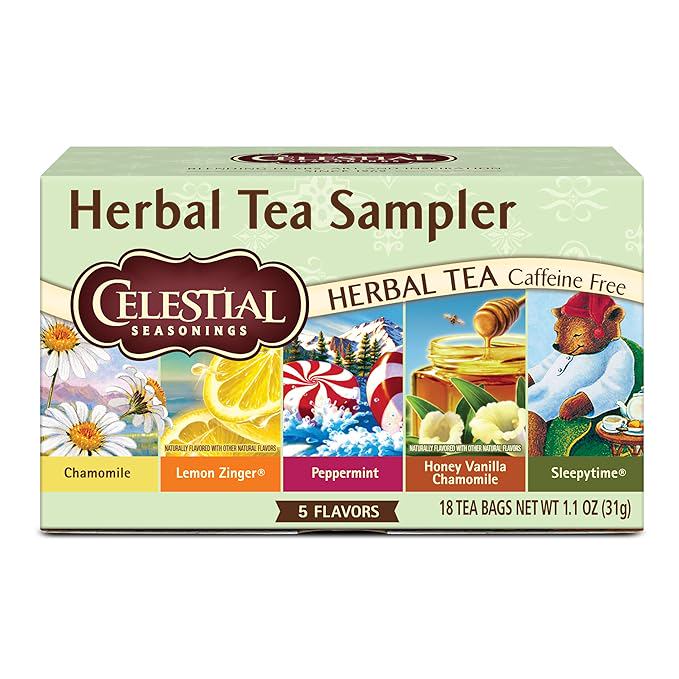
Herbal teas: Chamomile, lavender, lemon balm, and passionflower teas are celebrated for their gentle, calming properties. The warmth and ritual of brewing a cup is soothing in itself.
Plain or sparkling water: Dehydration is a common but overlooked trigger for feelings of anxiety and fatigue. Simply sipping cool water can be centering and help your body’s systems function smoothly.
Warm milk or a dairy-free alternative: The old remedy has some science behind it. Milk contains tryptophan, a precursor to serotonin, and the warmth can be inherently comforting before bed.
Adaptogen-infused beverages: Some modern herbal drinks contain adaptogens like ashwagandha or reishi, which are traditionally believed to help the body manage stress. Look for unsweetened versions.
Listen to what your craving is really asking for. Is it a burst of energy? A moment of pause? Physical warmth? Often, you can meet that need with a kinder choice. The goal is to navigate stressful periods with awareness, using what you consume as one of many tools to find your balance, not disrupt it further.