
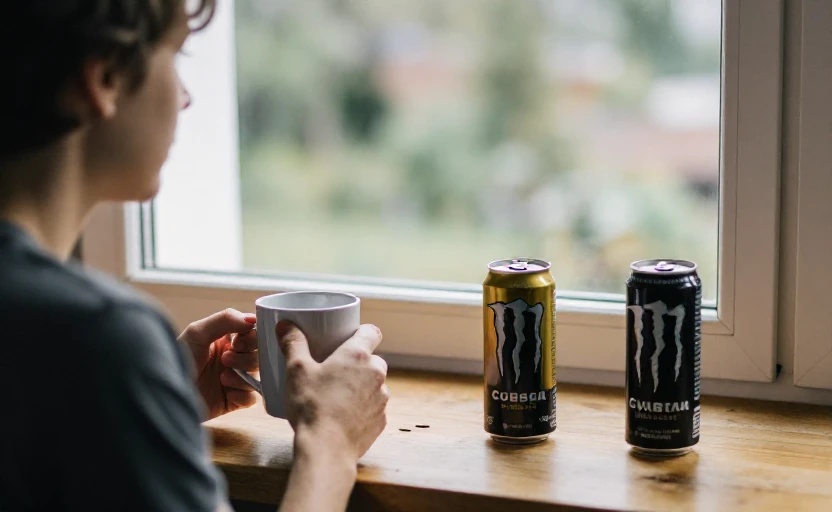
When you're feeling low, it's natural to reach for something to drink for comfort or a quick lift. A warm mug, a cold can, a soothing sip—these small rituals can feel like momentary anchors. Yet, what we choose to pour into our glass can have a surprisingly direct conversation with our mood. While no single food or drink causes depression, certain beverages can influence the biochemical pathways that govern how we feel, potentially deepening a low mood or undermining our recovery.
Dietitians and mental health nutrition experts point to a handful of common drinks that, while often sought for relief, may inadvertently make the weight of depression feel heavier. Understanding their effects isn't about creating more rules or guilt, but about empowering a gentler, more supportive approach to nourishment during difficult times.
Why what you drink matters for mood
Depression is a complex condition involving neurotransmitters like serotonin and dopamine, inflammation, gut health, and blood sugar regulation. The beverages we consume can either support or disrupt these delicate systems. Some drinks can cause sharp spikes and crashes in blood sugar, leading to irritability and fatigue. Others may interfere with sleep, deplete essential nutrients, or increase inflammation in the body—all factors that can exacerbate depressive symptoms.
This isn't about deprivation, but about awareness. Sometimes, the act of choosing a slightly different drink can be a small, tangible step in caring for yourself when larger steps feel impossible.
Drinks to approach with caution
Based on common clinical guidance from dietitians, here are three types of drinks to be mindful of when you're navigating a period of depression.
Sugary sodas and energy drinks
That initial rush from a sugary soda or a neon-colored energy drink is real, but it's often followed by a punishing crash. These beverages cause a rapid spike in blood glucose, prompting a large insulin release that can then lead to a sharp drop in blood sugar levels. This hypoglycemic dip is frequently accompanied by feelings of anxiety, shakiness, brain fog, and profound tiredness—sensations that can mirror and intensify the fatigue and mental cloudiness of depression.
Furthermore, the chronic inflammation linked to high sugar intake is a growing area of interest in mental health research. A diet high in added sugars may promote inflammatory responses that are associated with an increased risk of depressive symptoms.
The quick lift from sugar is almost always followed by a crash that can make low mood and fatigue feel much worse.
Heavy or excessive alcohol
Alcohol is a central nervous system depressant. Its initial relaxing effect is short-lived, as it ultimately suppresses the activity of neurotransmitters involved in mood regulation, including serotonin and norepinephrine. While it might seem to ease anxiety or sadness temporarily, it typically deepens those feelings over the course of hours or the next day, contributing to a more negative overall mood state.
Alcohol also severely disrupts sleep architecture. It might help you fall asleep initially, but it fragments the later, restorative stages of sleep, like REM sleep. Poor sleep is a well-known trigger for worsening depressive symptoms and reduces resilience to stress. Finally, alcohol can deplete the body of B vitamins, including folate and B12, which are crucial for neurological function and the synthesis of mood-regulating neurotransmitters.
Highly caffeinated beverages in excess
Caffeine, in moderate amounts from sources like coffee or tea, can be fine for many people and even offer some antioxidant benefits. The problem arises with excess—think multiple large coffees, potent energy shots, or caffeine-loaded supplements—especially for those who are sensitive to its effects or who consume it later in the day.
Excessive caffeine can overstimulate the nervous system, leading to increased anxiety, restlessness, and heart palpitations, which can compound feelings of unease. It's also a major sleep disruptor. Consuming caffeine even six hours before bedtime can significantly reduce sleep quality. Since sleep and mood are intimately connected, sabotaging one directly harms the other. For some individuals, the cycle of using caffeine to combat depression-related fatigue, only to have it worsen sleep and anxiety, can become a self-defeating loop.
What to reach for instead
Shifting focus toward supportive choices can feel more constructive. Consider integrating drinks that provide hydration, nutrients, or calming properties without the harsh side effects.
- Water: Simple dehydration can manifest as low energy, poor concentration, and headaches. Keeping a water bottle nearby and sipping throughout the day is a foundational act of self-care.
- Herbal teas: Chamomile, lavender, or lemon balm teas are traditionally used for their gentle calming properties. A warm mug can also provide a comforting ritual.
- Tart cherry juice: Some small studies suggest tart cherry juice may support sleep quality due to its natural melatonin content, which could indirectly benefit mood.
- Green tea: It contains L-theanine, an amino acid that may promote a state of calm alertness without the jitteriness associated with high caffeine doses, provided you choose a moderate-strength brew.
Remember, these are general guidelines, not strict prescriptions. The relationship between diet and mood is highly individual. If you find a small morning coffee is a comforting part of your routine and doesn't affect your sleep or anxiety, it may be perfectly fine. The key is mindful observation of how different drinks make you feel, both immediately and in the hours afterward.
A note on seeking support
Nutrition is one piece of the puzzle in managing mental well-being, but it is not a substitute for professional care. If you are experiencing symptoms of depression, reaching out to a doctor, therapist, or registered dietitian who specializes in mental health is the most important step you can take. They can provide personalized guidance, support, and treatment options tailored to your unique needs. Think of mindful drinking not as a cure, but as a way to gently support your broader journey toward feeling better.