
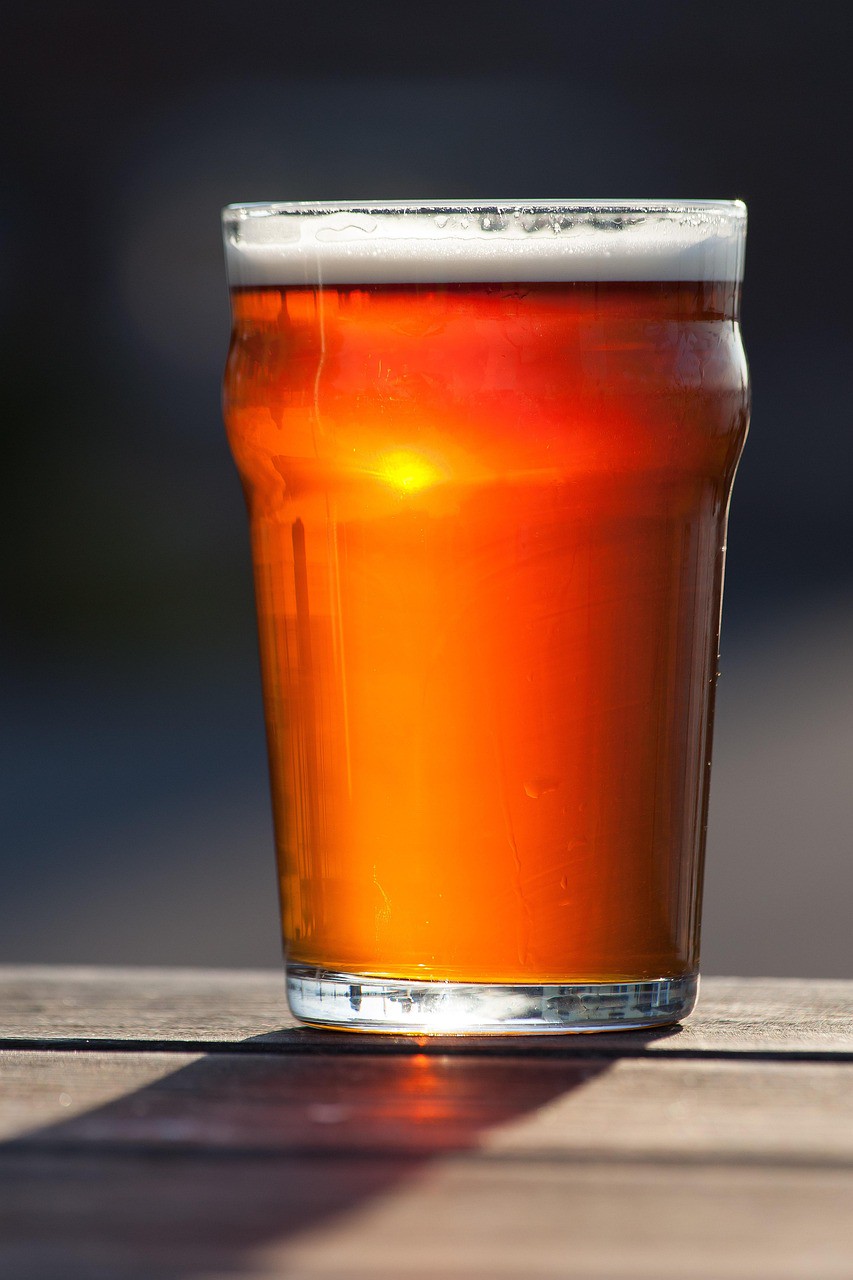
When you're living with depression, every choice matters—including what you drink. Dietitians point out that certain beverages can amplify mood swings, sap energy, or interfere with sleep, making it harder to manage depressive symptoms. While no single food or drink causes a clinical condition, being mindful of what you consume is one more tool in your self-care toolkit. Here are three drinks that dietitians often recommend limiting or avoiding if depression is a frequent trigger for you.
1. Sugary sodas and sweetened energy drinks
A cold soda or a quick energy drink can feel like a pick-me-up, but the crash that follows is anything but helpful. High-sugar beverages cause rapid spikes and drops in blood glucose, which can leave you feeling irritable, fatigued, and mentally foggy. Research has linked frequent consumption of sugar-sweetened drinks with a higher risk of depression over time. Dietitians advise swapping these out for sparkling water with a splash of citrus or unsweetened iced tea to stabilize your energy and mood.
2. Alcohol in any form
Alcohol is a central nervous system depressant. Even one glass can disrupt the delicate balance of neurotransmitters like serotonin and dopamine that regulate mood. Many people reach for a drink to unwind, but alcohol can worsen anxiety and depression, especially as it wears off. It also interferes with sleep quality—poor sleep is a well-known depression trigger. Dietitians suggest trying a non-alcoholic mocktail made with tart cherry juice and soda water as a calming, sleep-friendly alternative.
3. Caffeinated coffee and tea in excess
Caffeine isn't inherently bad—in moderation, it can sharpen focus and even lift mood. But too much can backfire. High doses of caffeine can mimic or amplify symptoms of anxiety, including a racing heart, jitteriness, and restlessness, which often coexist with depression. For people sensitive to caffeine, even a couple of cups might disturb sleep or cause afternoon crashes. Dietitians recommend capping caffeine at one or two servings before early afternoon, and opting for herbal teas like chamomile or rooibos later in the day.
A quick tip: Keep a simple log of your beverage intake alongside your mood for a week. Patterns you notice—like feeling low after a soda or anxious after coffee—can guide you toward better choices.
What to drink instead
The good news is there are plenty of drinks that support emotional well-being. Water is essential for brain function; even mild dehydration can drag down your mood. Green tea offers a modest dose of caffeine plus L-theanine, an amino acid linked to calm alertness. Low-fat milk or fortified plant milks provide vitamin D, which some research associates with a lower risk of depression. Herbal teas like lemon balm, lavender, or passionflower have traditional use as gentle nervines. And for a treat, a small piece of dark chocolate in warm milk can feel soothing without overloading sugar.
Should you cut these drinks completely?
Not necessarily. Dietitians emphasize that an occasional soda or a glass of wine isn't a cause for alarm. The key is frequency and volume. If you notice that a certain drink consistently leaves you feeling worse—angry, tearful, apathetic, or anxious—it may be worth reducing or replacing it for a few weeks to see if your mood stabilizes. Working with a licensed therapist or a registered dietitian can help you create a personalized plan, especially if depression is something you're actively managing.
Your daily drink choices are a small but real way to support your mental health. By cutting back on sugar, alcohol, and excess caffeine, you may find your energy more even and your mood a bit more resilient—one sip at a time.