
You’ve had a long day, and the evening finally offers a quiet moment to unwind. Reaching for a comforting drink feels like a natural part of the ritual. But what if that very choice is quietly undermining your mood for the next day? The connection between what we consume in the hours before sleep and our emotional resilience is more direct than we often realize. Certain beverages can interfere with the delicate neurochemical and hormonal processes that happen overnight, setting the stage for a less stable, more reactive morning.
It’s not about deprivation, but about making informed choices that support your nervous system. By understanding how specific drinks affect sleep architecture and brain chemistry, you can create an evening routine that fosters calm and equips you to handle tomorrow’s stresses with greater ease. Let’s look at three common culprits you might consider avoiding in the lead-up to bedtime.
Coffee and Other Caffeinated Drinks
This one might seem obvious, but its impact on mood is worth a closer look. Caffeine is a central nervous system stimulant that works by blocking adenosine, a neurotransmitter that promotes sleepiness and relaxation. While that morning cup helps you feel alert, an evening coffee, soda, or even strong tea can keep this system activated long into the night.
The problem for mood stability is twofold. First, caffeine can significantly reduce both the quantity and quality of your sleep, particularly the deep, restorative slow-wave sleep and REM sleep, which are crucial for emotional processing and memory consolidation. Waking up from fragmented sleep often means starting the day with a lower threshold for frustration and anxiety.
Second, caffeine stimulates the release of stress hormones like cortisol and adrenaline. Having these chemicals circulating in your system in the evening can mimic the physical sensations of anxiety—a racing heart, restlessness—making it harder to achieve a genuinely calm state before bed. This hormonal surge can leave your nervous system subtly on edge, priming you for a more reactive emotional state upon waking.
Consider a cut-off time of at least 6-8 hours before you plan to sleep, as caffeine’s effects can linger much longer than the initial buzz.
Alcohol
Many people turn to a nightcap believing it helps them relax and fall asleep faster. While alcohol is a sedative and may indeed induce initial drowsiness, its overall effect on sleep and mood is profoundly disruptive. As your body metabolizes the alcohol during the night, it leads to a rebound effect of lighter, more fragmented sleep and frequent awakenings, especially in the second half of the night.
This sleep fragmentation severely impairs the brain’s ability to cycle through important sleep stages. Crucially, it suppresses REM sleep, the phase intimately linked to processing emotions and regulating mood. Consistently disrupted REM sleep is associated with increased irritability, difficulty concentrating, and a heightened emotional sensitivity the following day.
Furthermore, alcohol is a diuretic, leading to dehydration and potential nighttime trips to the bathroom, further breaking sleep continuity. Waking up after even moderate alcohol consumption often comes with a sense of unrefreshed fatigue, which forms a shaky foundation for managing daily stressors and maintaining an even keel.
Sugary Drinks and Juices
A sweet soda, fruit juice, or even a seemingly healthy smoothie right before bed can be a stealthy saboteur of mood stability. The rapid influx of sugar causes a sharp spike in blood glucose, followed by a compensatory insulin response that can lead to a crash a few hours later. This blood sugar rollercoaster can trigger nighttime awakenings, often accompanied by feelings of restlessness, sweating, or even a racing heart.
This metabolic disruption interferes with sustained, deep sleep. More directly for mood, the sugar crash can stimulate the release of cortisol and adrenaline as your body attempts to stabilize blood sugar levels, again putting your stress-response system on alert during a time meant for restoration. Starting the day already in a state of blood sugar imbalance can manifest as brain fog, irritability, and cravings, making emotional regulation more challenging from the outset.
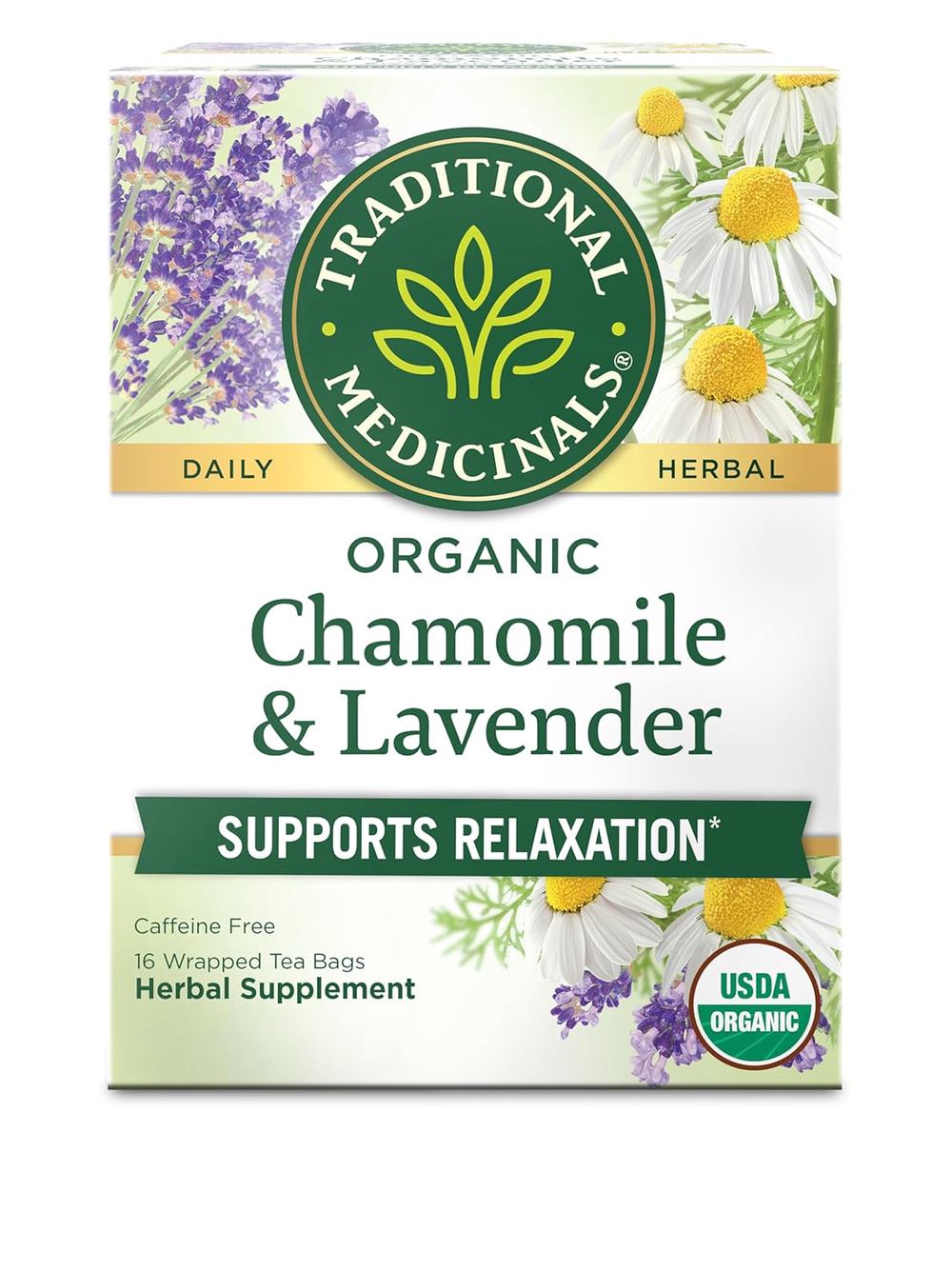
Creating a mood-supportive evening isn’t just about avoidance; it’s an opportunity to discover gentler alternatives. Herbal teas like chamomile or passionflower, a warm cup of magnesium-rich cocoa made with unsweetened powder, or simply sipping warm water can become powerful signals to your body that it’s time to wind down. By mindfully choosing your final drinks of the day, you’re investing in a night of more restorative sleep and gifting your future self a more stable, resilient mood.