When you think about building a better bedtime routine, what comes to mind? Dimming the lights, putting away the phone, maybe a few minutes of deep breathing. But what about what you sip in that final hour before your head hits the pillow? Most of us know to avoid coffee and cocktails before bed, but the right drink can actually help signal your nervous system that it’s time to unwind.
Instead of chasing the latest trendy "sleep tonic," we talked to sleep specialists about the three drinks they consistently recommend to patients. These aren’t complicated potions. They’re simple, science-backed choices that support your body’s natural wind-down process—and they’re likely already in your kitchen.
Why what you drink matters for sleep
Your body’s internal clock, or circadian rhythm, is influenced by many factors—light, temperature, and yes, what you consume. Certain compounds naturally found in plants can interact with brain receptors that promote calmness and drowsiness. The goal isn’t to knock you out but to gently guide your system toward rest. A well-chosen bedtime drink can do that without making you groggy the next morning.
1. Tart cherry juice
This deep-red juice is one of the few natural food sources of melatonin, the hormone that regulates your sleep-wake cycle. But that's not the only reason sleep specialists recommend it. Tart cherries—especially Montmorency cherries—also contain anti-inflammatory compounds that may help reduce the kind of physical stress that can keep you awake at night.
How to use it for better rest
Look for unsweetened or low-sugar tart cherry juice. A small glass—about 4 to 6 ounces—about an hour before bed is the typical suggestion. The sugar content in some commercial juices can be counterproductive, so read labels carefully.
"Tart cherry juice provides a natural source of melatonin and tryptophan, which help regulate sleep cycles," explains Dr. Sarah Mitchell, a sleep medicine specialist. "But start with a small amount—too much can cause digestive discomfort for some people."
What the research says
In a small but often-cited study published in the Journal of Medicinal Food, older adults who drank tart cherry juice for two weeks showed improvements in sleep duration and quality compared to a placebo group. While more research is needed, the evidence is promising enough that many sleep specialists include it in their advice.
2. Warm milk with a pinch of nutmeg
This may sound like something your grandmother would serve, but there’s real science behind the soothing ritual. Milk contains tryptophan, an amino acid that your body uses to produce serotonin and melatonin. The warmth of the milk also has a mild, comforting effect—similar to how a warm bath can help lower your core body temperature, which is a sleep trigger.
Why add nutmeg?
Nutmeg contains a compound called myristicin, which has mild sedative properties. In small amounts, it can enhance the relaxing effect of warm milk. A light dusting—just a pinch—is enough. More isn’t better; large doses of nutmeg can actually cause unpleasant side effects.
"The ritual of preparation is part of the benefit," says clinical psychologist Dr. Lauren Hart, who specializes in behavioral sleep medicine. "Taking five minutes to gently warm milk, add a sprinkle of nutmeg, and sit without screens primes the brain for rest."
What to watch for
If you’re lactose intolerant or sensitive, any dairy can cause bloating or discomfort that disrupts sleep. In that case, try unsweetened almond or oat milk—they lack the tryptophan punch, but the warmth and ritual can still be helpful.
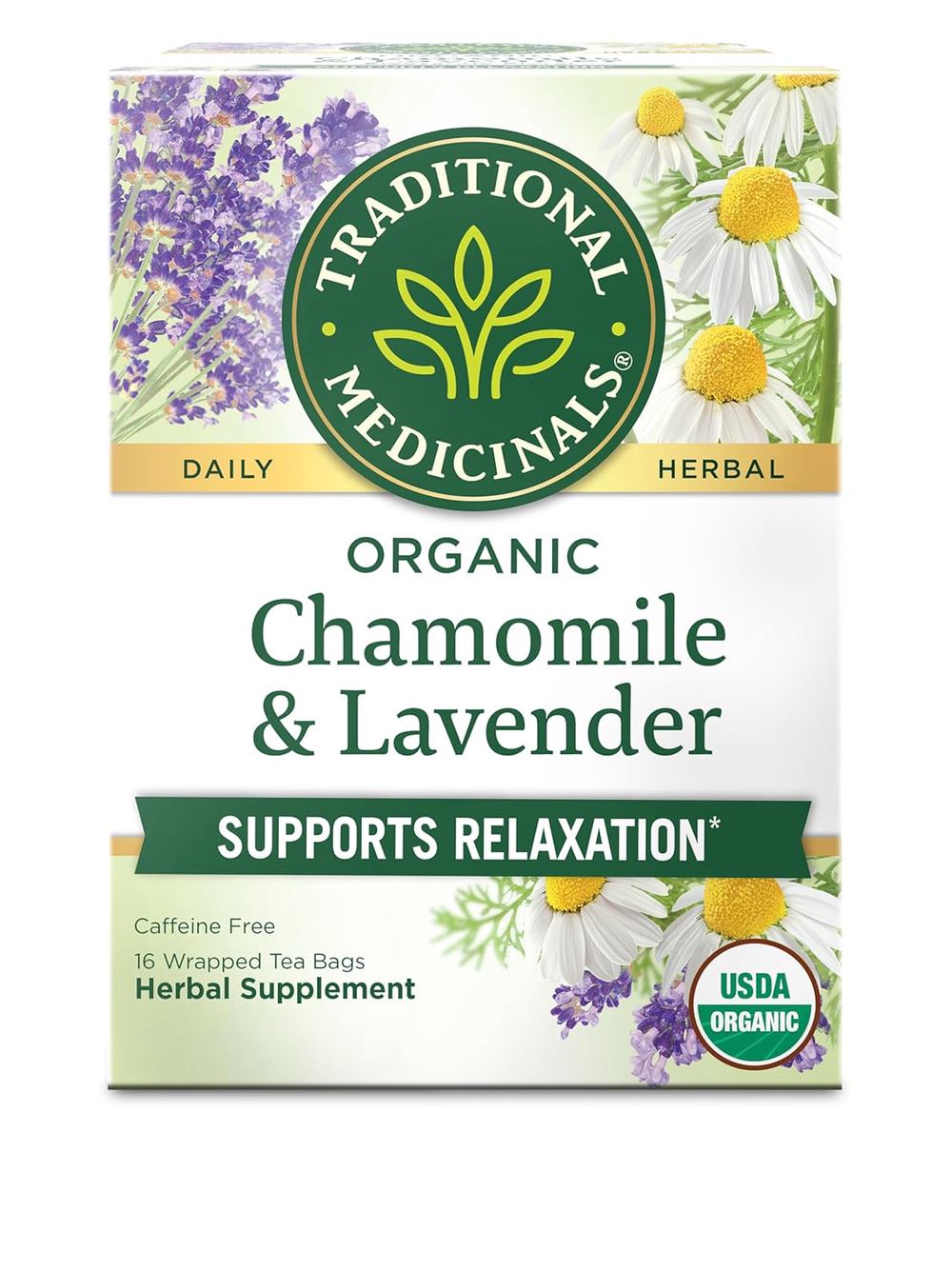
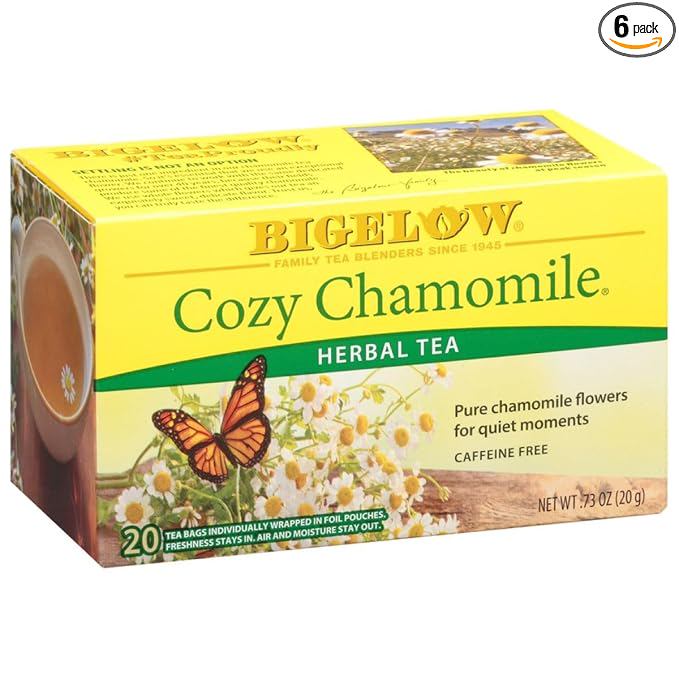
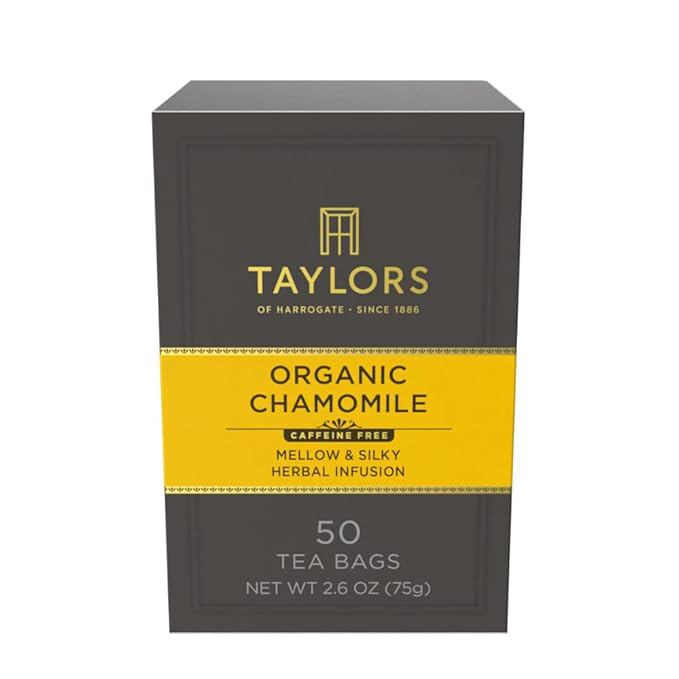
3. Chamomile tea
Chamomile is probably the most famous bedtime herb, and for good reason. It contains apigenin, an antioxidant that binds to certain receptors in the brain that promote drowsiness and reduce anxiety. Unlike some herbal blends, chamomile is generally very gentle, making it a good choice even for people who are sensitive to other teas.
How to brew it for maximum benefit
Sleep specialists recommend steeping chamomile for at least five minutes in hot—not boiling—water to fully extract the active compounds. Cover your cup while it steeps to keep the volatile oils from escaping. If you like, a small drizzle of raw honey adds a touch of sweetness that can further soothe your throat and mind.
"Chamomile is one of the few herbs consistently supported by research for its mild sedative effect," notes Dr. Mitchell. "It’s not a powerful sleep aid, but for many people, it’s an excellent part of a calming evening routine."
What the research says
A 2017 study in the Journal of Advanced Nursing found that postpartum mothers who drank chamomile tea for two weeks reported significantly better sleep quality than those who didn’t. Other studies have shown that chamomile can help reduce symptoms of mild anxiety, which is often a hidden barrier to good sleep.
Putting it all together: Your bedtime drink ritual
No single drink is a cure-all, but combining one of these options with a consistent wind-down routine can make a real difference. Here are a few easy ways to build a drink-based bedtime ritual:
- Pick one, not all. Don’t stack drinks. Choose one—tart cherry juice, warm milk with nutmeg, or chamomile tea—and make it a steady part of your evening.
- Time it right. Finish your bedtime drink about 45 to 60 minutes before you plan to be asleep. This avoids late-night bathroom trips that break your sleep cycle.
- Keep it simple. Avoid adding caffeine, alcohol, or heavy syrups. The goal is gentle preparation, not an elaborate concoction.
- Pair it with calm. Sip your drink while reading a physical book, journaling, or listening to soft music. Avoid using it as a chaser to your phone-scrolling.
Building a better bedtime routine doesn’t have to be complicated. The three drinks that sleep specialists recommend most are all affordable, easy to find, and backed by at least some science. Whether you reach for tart cherry juice, warm milk with nutmeg, or chamomile tea, you’re giving your body a familiar, quiet signal: It’s time to rest.