You know the feeling. It’s mid-afternoon, your eyelids are heavy, and all you want is 20 minutes of quiet rest. But what you reach for just before that nap might be sabotaging your chance at actual refreshment.
Sleep specialists see a pattern: certain drinks—even ones you think are harmless—can block the brain from entering the light, restorative sleep that a nap is supposed to deliver. The issue isn’t just caffeine. It’s about how different compounds interfere with adenosine, the chemical that builds sleep pressure, and how they affect your autonomic nervous system.
Here are the three drinks sleep experts say you should skip before a nap, plus the alternatives that actually support a quick, effective rest.
Why your pre-nap drink matters
A productive nap isn’t about deep sleep. It’s about cycling through stage 1 and stage 2 sleep without dropping into the slow-wave or REM stages that would leave you groggy. Any substance that alters neurotransmitter activity, raises heart rate, or spikes blood sugar can prevent you from reaching that light sleep window—or pull you out of it prematurely.
Think of adenosine as your brain’s way of counting hours awake. Caffeine and similar stimulants work by blocking adenosine receptors. If you drink something that blocks adenosine just before lying down, you’re basically telling your brain to ignore its own sleep signal.
1. Coffee (and any high-caffeine coffee alternative)
This one is obvious, but it deserves unpacking. Even a single espresso shot contains around 60 to 80 milligrams of caffeine. For most adults, that amount takes about 20 to 30 minutes to reach peak blood concentration—which means if you drink it right before a nap, the caffeine hits your system just as you’re trying to drift off.
A stimulant like caffeine doesn’t just make it harder to fall asleep. It fragments sleep architecture, meaning you’re more likely to wake up in the middle of stage 2 or fail to settle into it at all. You may feel like you closed your eyes, but you didn’t get the restoration.
What to drink instead: A small cup of warm water with a squeeze of lemon. It’s hydrating, has no stimulant effect, and the warmth can signal your body to relax.
2. Sugary soda or energy drinks
Sugar is not a stimulant in the same way caffeine is, but it can interfere with sleep in its own way. A can of soda typically contains 30 to 40 grams of added sugar—enough to cause a rapid spike in blood glucose. That spike triggers insulin release, which can cause a reactive dip in blood sugar about 60 to 90 minutes later.
That crash might feel like drowsiness, but it’s not the same as natural sleep pressure. It’s metabolic disruption. A sugar-induced dip can wake you up right when you should be in the most restorative part of a nap. Energy drinks are a double threat because they combine sugar with caffeine, delivering both a chemical blockade and a blood sugar rollercoaster.
What to drink instead: A small glass of tart cherry juice (about 4 ounces). It contains natural melatonin precursors and anti-inflammatory compounds. Stick to unsweetened or low-sugar versions.
3. Alcohol (even a small amount)
Alcohol is often misunderstood as a sleep aid because it makes you feel drowsy initially. But that sedation is not quality sleep. Alcohol metabolizes into acetaldehyde, a compound that increases heart rate and causes nighttime arousals—even during a short nap.
For a 20-minute nap, alcohol can push you into a sedated state that mimics light sleep but lacks the restorative properties. You’re also more likely to wake up dehydrated and with a headache, which defeats the purpose of napping in the first place. Sleep specialists generally advise avoiding alcohol for at least three hours before any intended sleep period—naps included.
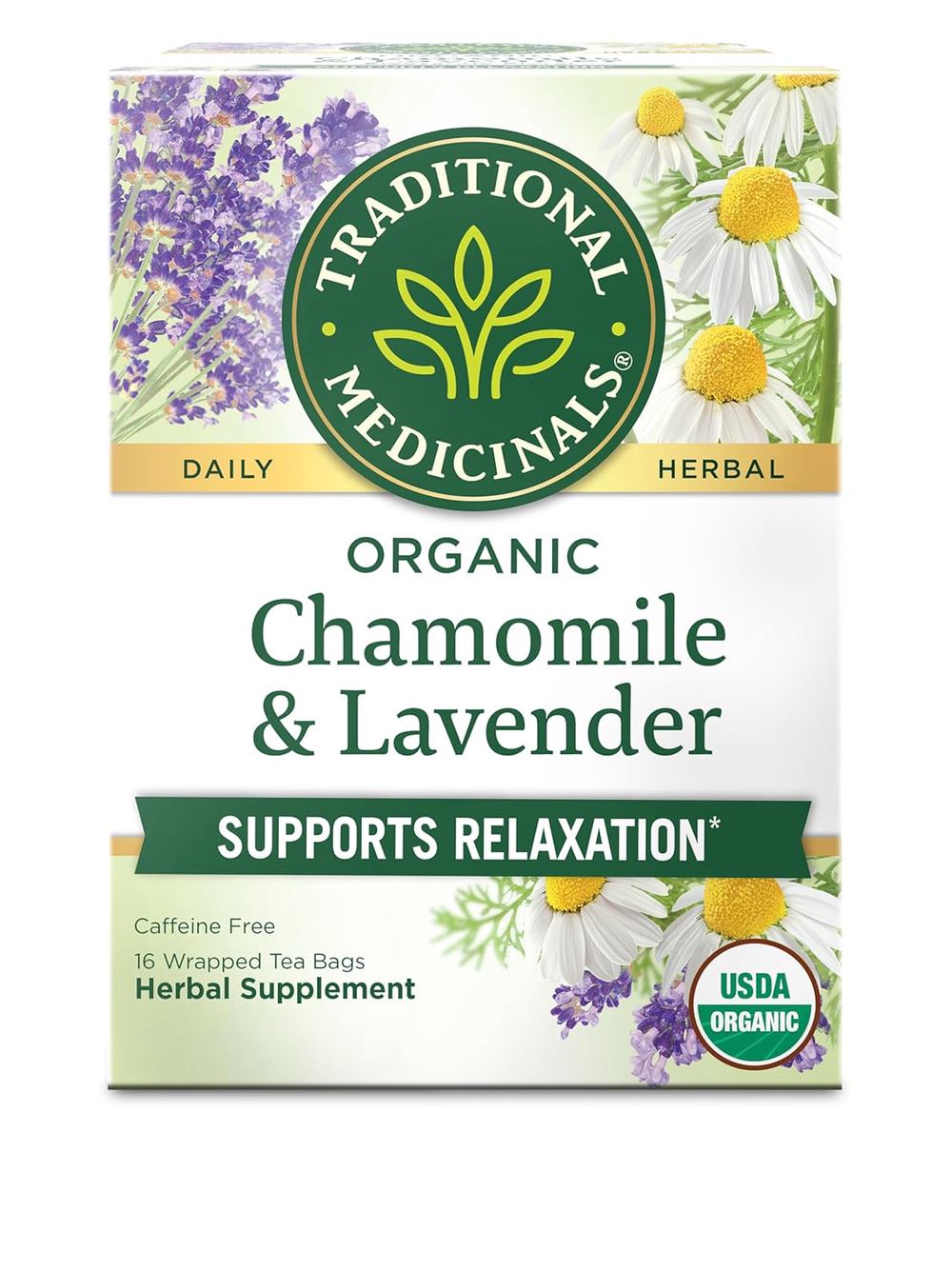
What to drink instead: A simple cup of herbal tea like chamomile, passionflower, or rooibos. These contain compounds that mildly increase GABA activity in the brain, helping you transition into light sleep without sedation.
How to build a better pre-nap routine
What you drink is only part of the equation. Timing matters, too. Aim to consume any pre-nap drink about 15 to 20 minutes before you lie down. That gives your body just enough time to begin the digestion and absorption process without sending a stimulant or sugar load directly into your bloodstream during the nap window.
Temperature can also help. Warm liquids—not hot, not cold—tend to support vasodilation and a slight drop in core body temperature, both of which are natural precursors to sleep onset. So a warm herbal tea or a mug of warm water is going to work better than a cold, sugary smoothie.
Hydration status also influences sleep quality. If you’re even mildly dehydrated, your brain struggles to regulate sleep cycles. But don’t chug a liter of water before a nap. A modest 6 to 8 ounces is sufficient to top off hydration without waking you up for a bathroom break.
What about milk or golden milk?
A small glass of warm milk is generally fine—for people who tolerate dairy well. Milk contains tryptophan, which is a precursor to serotonin and melatonin. But the effect is subtle, and for some people, the protein and fat content can cause mild digestive discomfort if they lie down too quickly. If you choose milk, opt for a small portion and keep it warm. Avoid flavored milks or plant-based alternatives that contain added sugar or gums, which can cause bloating.
Golden milk (turmeric, ginger, black pepper, and a milk base) can be a decent option if you use a low-sugar milk alternative. Turmeric has anti-inflammatory properties that may support restorative sleep in some individuals, though the evidence is preliminary. Just watch the spice level—too much ginger or pepper can cause heartburn.
The bottom line: A nap can be a powerful tool for cognitive performance and mood regulation. But it only works if you enter it with a clear neurological and metabolic slate. Skip the coffee, soda, and alcohol before you lie down. Choose a warm, low-sugar, caffeine-free alternative. Your sleep architecture—and your afternoon energy—will thank you.