When you have diabetes, your kidneys work harder than usual to filter excess sugar from your blood. Over time, that extra workload can damage the delicate blood vessels inside the kidneys. While medication and blood sugar control are important, the food on your plate plays a surprisingly direct role in either relieving or adding to the pressure on these vital organs.
Many people with diabetes focus only on counting carbohydrates and managing glucose spikes. That’s necessary, but it’s not the full picture. Certain everyday eating habits can quietly increase kidney strain, even when your blood sugar numbers look good. Here are three common diet mistakes that may be putting unnecessary stress on your kidneys—and what to do instead.
Mistake #1: Relying on processed meats and high-sodium snacks
Deli turkey, bacon, hot dogs, canned soups, and salty crackers are convenient, but they come with a heavy dose of sodium and phosphorus additives. Your kidneys are responsible for maintaining the right balance of sodium and phosphorus in your blood. When you take in more than they can handle, they have to work overtime to filter and excrete the excess.
High sodium intake can also raise blood pressure, which is already a major risk factor for kidney disease in people with diabetes. Over time, the combination of hypertension and constant filtration stress accelerates kidney damage. A diet high in processed meats is also linked to an increased risk of albuminuria—a sign of early kidney strain where protein leaks into the urine.
What to do: Choose fresh or frozen poultry, fish, and eggs instead of processed meats. Look for low-sodium or no-salt-added versions of canned goods. Flavor meals with herbs, spices, lemon, or vinegar rather than reaching for the salt shaker.
Mistake #2: Drinking sugary beverages and fruit juices
It’s no secret that soda and sweetened teas spike blood sugar. But the problem for your kidneys goes deeper than glucose alone. High-fructose corn syrup and other added sugars increase uric acid production, which can damage kidney cells and contribute to the formation of kidney stones.
Fruit juice might seem like a healthier choice, but even 100% juice delivers a concentrated dose of sugar without the fiber that helps slow absorption. A single 12-ounce glass of orange juice contains about 33 grams of sugar—roughly the same amount as a can of soda. For kidneys already under pressure, that sugar load forces them to filter more aggressively.
A study in the Clinical Journal of the American Society of Nephrology found that people who drank one or more sugary beverages per day had a significantly higher risk of developing chronic kidney disease compared to those who rarely drank them.
What to do: Water is the best choice. Unsweetened sparkling water with a splash of lemon or lime is a good alternative. If you want juice, limit it to a small glass (4 ounces) and pair it with a meal that includes protein and healthy fat to blunt the sugar spike.
Mistake #3: Overdoing high-phosphorus and high-potassium foods without balance
When kidney function starts to decline, your body struggles to regulate two key minerals: phosphorus and potassium. But you don’t need to wait for a lab test to show problems before adjusting your intake.
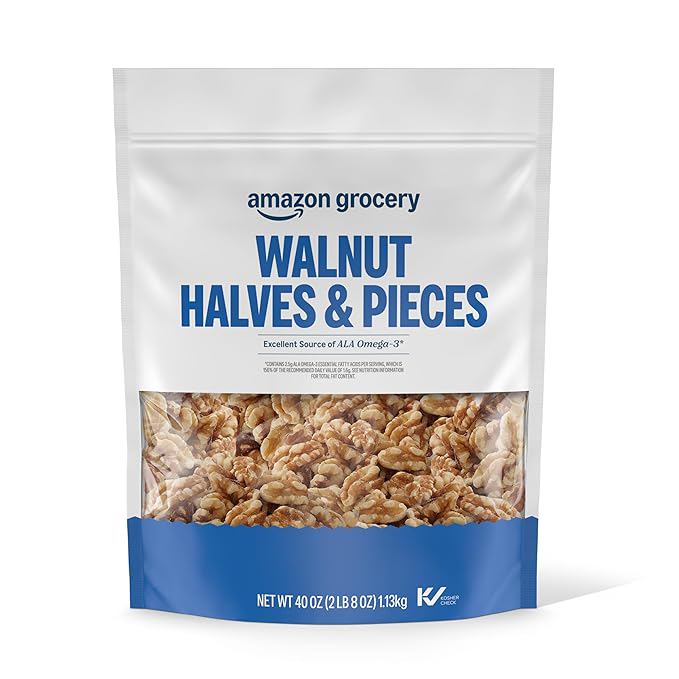
Many nutrient-dense foods are naturally rich in these minerals—which is great for a healthy person, but potentially problematic for someone with diabetes and early kidney concerns. Foods like dark soda, dairy products, nuts, seeds, whole grains, beans, bananas, avocados, and potatoes are all high in one or both minerals.
The danger isn’t the foods themselves; it’s the quantity and combination. Eating a large bowl of oatmeal with milk and a banana for breakfast, a spinach salad with chickpeas and almonds for lunch, and a sweet potato with yogurt sauce for dinner can pile on more phosphorus and potassium than kidneys can comfortably process.
What to do: You don’t need to eliminate these foods. Instead, practice portion control. For example, limit dairy to one serving per day, and choose a smaller portion of nuts (about a handful). Replace some high-phosphorus grains with lower-phosphorus options like white rice or refined pasta occasionally. Work with a dietitian to find a balance that matches your specific lab results.
Putting it all together
Kidney-friendly eating for diabetes isn’t about a restrictive new diet. It’s about steering clear of the three biggest pitfalls: too much sodium from processed foods, too much sugar from drinks, and an overload of phosphorus and potassium from otherwise healthy foods eaten in large amounts.
Small shifts—like swapping a mid-afternoon soda for sparkling water, switching from deli meat to fresh chicken slices, and balancing your plate so you don’t overdo high-mineral foods—can significantly reduce the filtration burden on your kidneys. These changes also support better blood pressure and blood sugar control, creating a positive cycle that protects your kidney health long term.
If you have diabetes, keep an eye on your annual kidney function tests (eGFR and urine albumin). That data, combined with smart food choices, gives you a powerful way to slow or prevent kidney damage before it starts.