
Most toddlers go through a phase where they suddenly refuse foods they used to love. It can feel personal, frustrating, and occasionally worrying. But in the vast majority of cases, picky eating is a normal part of development. The key is understanding what is driving the behavior and knowing which foods can help reset the pattern.
Here are three common triggers of toddler picky eating—and two smart foods you can offer instead of resorting to a battle.
Trigger 1: Pressure and control battles
When a child senses they are being pushed to eat—through coaxing, bribes, or even gentle pleading—they often push back. Toddlers crave autonomy, and the dinner table can become the one place they can exert control. Once eating becomes a power struggle, many children clamp their mouths shut simply to assert their will.
The fix isn't to force more bites. Instead, step back. Offer the food without commentary, and let the toddler decide whether to touch it, taste it, or ignore it. Taking the pressure off the plate often takes the fight out of the meal.
Trigger 2: Sensory sensitivity
Many toddlers are hypersensitive to textures, smells, and temperatures. A mushy vegetable or a lumpy puree that was fine last week might suddenly feel offensive. This is not misbehavior—it is a genuine sensory reaction. Children with heightened sensitivity may gag at certain textures or refuse anything that is mixed together.
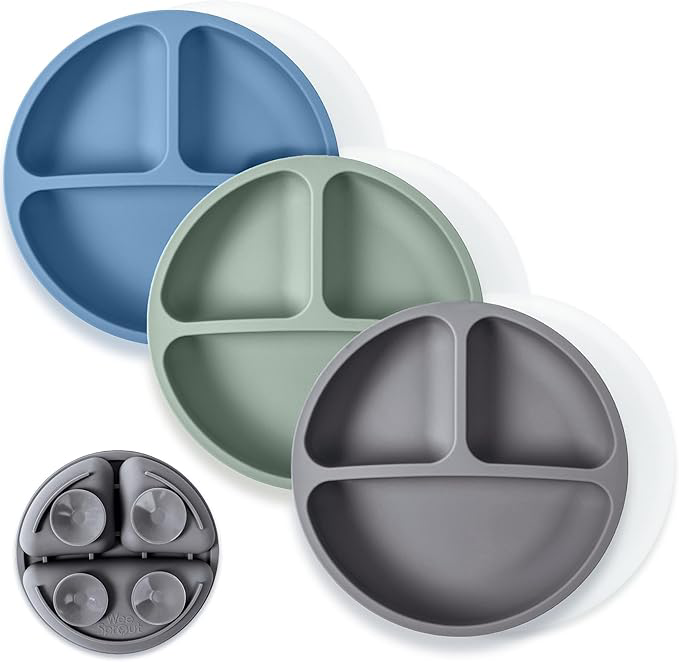
Respecting these limits is important. Try serving foods in separate components rather than combined dishes. Offer familiar textures alongside new ones. Over time, repeated low-pressure exposure can help desensitize the child to the sensation without triggering a full refusal.
Trigger 3: Low appetite or grazing habits
Some toddlers are simply not hungry at mealtime because they have been snacking or drinking milk or juice throughout the day. When a child's stomach is never truly empty, they have no biological drive to eat at the table. Grazing—sipping and nibbling all day—can suppress hunger cues and make structured meals feel like an interruption.
To address this, try establishing a predictable schedule with meals and snacks spaced at least two hours apart. Water should be available freely between meals, but limit milk and juice to mealtimes. This helps the child build genuine hunger before food is offered.
Two foods to offer instead
When a toddler refuses the main meal, many parents reach for a banana, crackers, or yogurt—often the same few items every time. This reinforces the picky pattern. Instead, try offering one of these two foods that are nutrient-rich, mild in flavor, and unlikely to feed the picky cycle.
1. Avocado
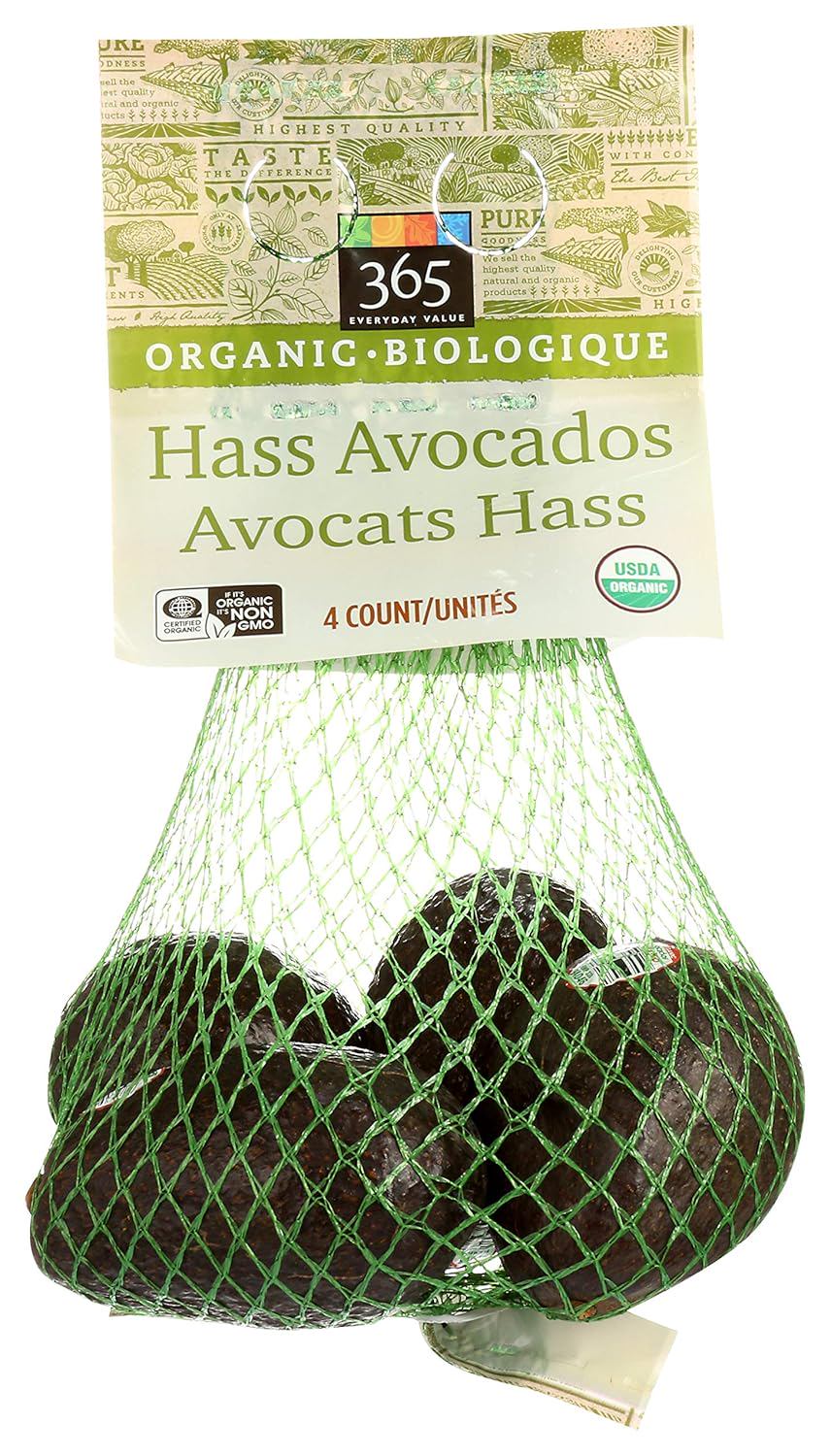
Avocado is smooth, mild, and full of healthy fats that support brain development. It can be served as a simple wedge, mashed on a spoon, or cut into fun shapes. Its neutral taste and creamy texture make it a low-risk option for sensitive eaters. You can also mix a tiny amount of avocado into a familiar food, like applesauce, to gently expand the child's palate.
2. Soft-cooked eggs
Eggs are rich in choline, protein, and iron—all key nutrients for growing toddlers. Serve them scrambled, hard-boiled and sliced, or as a mini frittata. The texture is soft but not mushy, and the flavor is mild enough not to overwhelm. Some toddlers who reject chicken or beef will accept eggs because of the familiar texture and neutral taste.
Tip: Serve new foods alongside a 'safe' food the child already accepts. This reduces anxiety and increases the chance they will try the new item on their own terms.
Picky eating is rarely about the food itself. It is usually about control, sensory comfort, or appetite timing. By addressing the trigger and offering smart alternatives like avocado and eggs, you can help your toddler develop a healthier, more flexible relationship with food.