Living with endometriosis often means dealing with cramps that go far beyond typical period discomfort. When pain becomes a regular part of your life, it is easy to fall into patterns that feel helpful in the moment but may actually be making things worse. Here are three common mistakes that can unintentionally intensify endometriosis cramps—and what to consider instead.
Mistake 1: Relying Only on Painkillers Without Addressing Inflammation
Over-the-counter pain relievers like ibuprofen can offer short-term relief, but they do not treat the underlying inflammatory processes driving endometriosis pain. Endometriosis lesions produce their own supply of estrogen and inflammatory chemicals, which can keep the pain cycle going even when you are not on your period. Taking painkillers frequently can also lead to side effects like digestive issues and reduced effectiveness over time.
Instead of reaching for ibuprofen every time, consider layering in anti-inflammatory strategies that target the root causes. Some people find that certain essential oils—when properly diluted with a carrier oil—can provide topical relief. For example, a study in the Caspian Journal of Internal Medicine found that thyme oil applied to the lower abdomen was more effective than ibuprofen for reducing period pain in young women. The active compounds in thyme oil, particularly thymol, appear to inhibit cyclooxygenase-2 (COX-2), an enzyme that promotes inflammation. By reducing this enzyme activity, the oil can help calm pelvic inflammation without the gastrointestinal side effects common with oral painkillers.
A practical approach: Combine a few drops of thyme essential oil with a tablespoon of a carrier oil (like jojoba or coconut oil) and gently massage it onto your lower belly. This can be used alongside other non-medication methods such as heat therapy, gentle movement, and dietary changes.
Mistake 2: Ignoring the Role of Diet in Pelvic Inflammation
What you eat plays a significant role in how your body manages inflammation. A common mistake is continuing to consume foods that promote inflammation while expecting pain relief from other treatments. Research suggests that a diet high in processed foods, sugar, and trans fats can increase the production of pro-inflammatory compounds called prostaglandins, which can worsen endometriosis cramps.
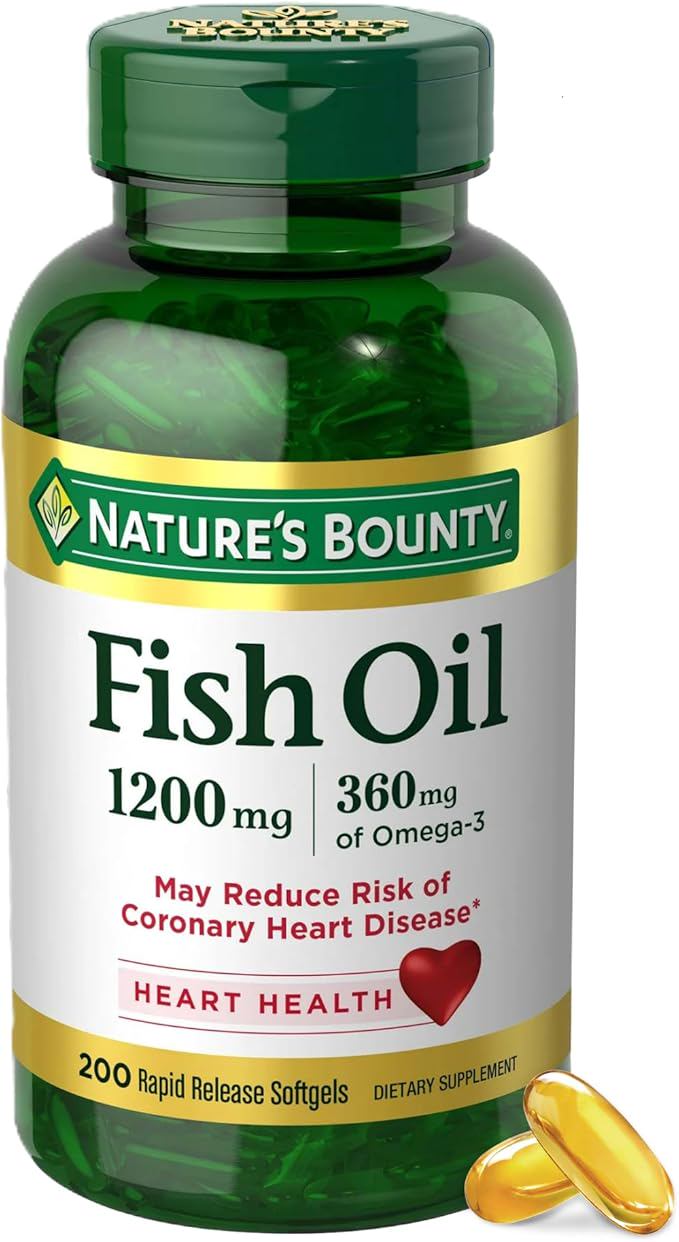
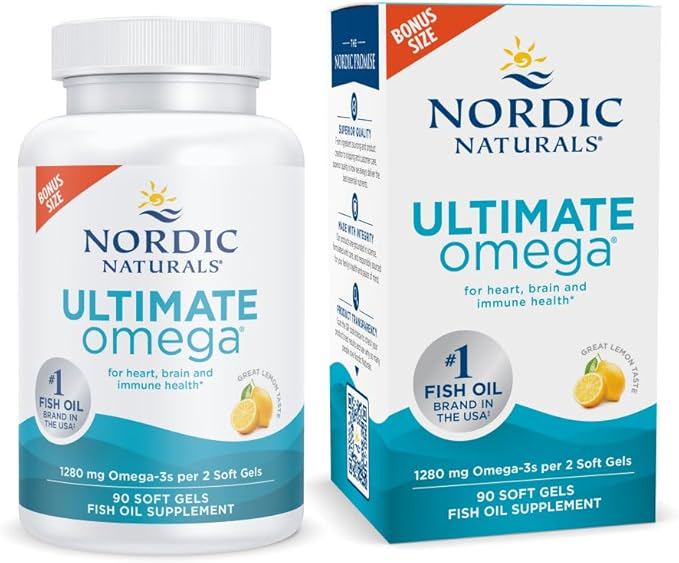
Switching to an anti-inflammatory diet—rich in fruits, vegetables, whole grains, and omega-3 fatty acids—may help reduce pelvic pain over time. Some women find that eliminating or reducing dairy, gluten, or red meat makes a noticeable difference in cramp severity. While food is not a cure, it can be a powerful tool when integrated with other management strategies.
"Small dietary shifts can create a cumulative effect on inflammation. Start by adding one anti-inflammatory food each week rather than overhauling your entire diet overnight."
Mistake 3: Overlooking Pelvic Floor Muscle Tension
Endometriosis pain often causes the pelvic floor muscles to tighten involuntarily as a protective response. This chronic tension can create a cycle where the muscles remain contracted, leading to additional pain, urinary urgency, and even painful intercourse. Many people mistake this muscle tension for the cramps themselves, so they never address it directly.
A pelvic floor physical therapist can teach you relaxation techniques, breathing exercises, and stretches to release hypertonic muscles. Simple practices like deep belly breathing with a heating pad, gentle yoga poses (such as child's pose or happy baby), and avoiding sitting for long periods can also help. The goal is to signal to your nervous system that it is safe to relax the pelvic floor, which can significantly reduce the intensity of cramps.
Putting It All Together: A More Balanced Approach
Managing endometriosis cramps is rarely about one magic remedy—it is about combining strategies that address inflammation, diet, and muscle tension. By avoiding these three mistakes, you may find that your cramps become more manageable over time. Always consult with a healthcare provider before starting any new supplement or essential oil, especially if you are managing a chronic condition.