Stepping into parenthood is a beautiful, messy, and often overwhelming journey, especially when it comes to feeding your little one. In the fog of sleep deprivation and the flood of conflicting advice, it’s easy to fall into patterns that feel right in the moment but might not serve your baby—or your own peace of mind—in the long run. Recognizing these common missteps isn't about assigning blame; it's about offering a gentle roadmap to make mealtimes a little less stressful and a lot more nourishing for everyone involved.
Here are three frequent feeding mistakes new parents make, along with practical, compassionate ways to steer clear of them.
Mistake 1: Pressuring or Forcing Feedings
It’s a scene many parents know: the untouched bowl of lovingly prepared puree, the turned head, the clamped lips. In response, the natural instinct is often to coax, bargain, or even sneak in another spoonful. This pressure, however well-intentioned, can backfire. It teaches a baby to ignore their own internal hunger and fullness cues—the very signals that help them develop a healthy relationship with food.
When a baby refuses food, it’s not a personal rejection. They might be full, tired, teething, distracted, or simply not interested in that particular food at that moment. Turning mealtime into a power struggle can create anxiety and negative associations that last for years.
Your job is to provide nutritious food at regular intervals; your baby’s job is to decide how much, or even whether, to eat.
Instead of focusing on the volume consumed in one sitting, look at intake over the course of a day or week. Offer a variety of foods without commentary on how much they “should” eat. Let them explore textures, make a mess, and stop when they show signs of being done, like pushing the bowl away, spitting food out repeatedly, or losing interest. This division of responsibility fosters trust and helps your child learn to self-regulate.
Mistake 2: Offering Only Bland or Repetitive Foods
In an effort to play it safe or ensure acceptance, it’s tempting to stick with a short list of “kid-friendly” staples: plain rice cereal, applesauce, mild squash. While these foods are fine, a diet that lacks variety misses a critical window of opportunity. The first year, especially between 6 and 12 months, is a prime time for introducing a wide range of flavors and textures. Babies are often more receptive to new tastes during this period than they will be as toddlers.
Repeatedly serving the same few foods can limit nutrient intake and may increase the likelihood of picky eating later on. It also fails to expose their developing palate to the rich tapestry of flavors found in family foods.
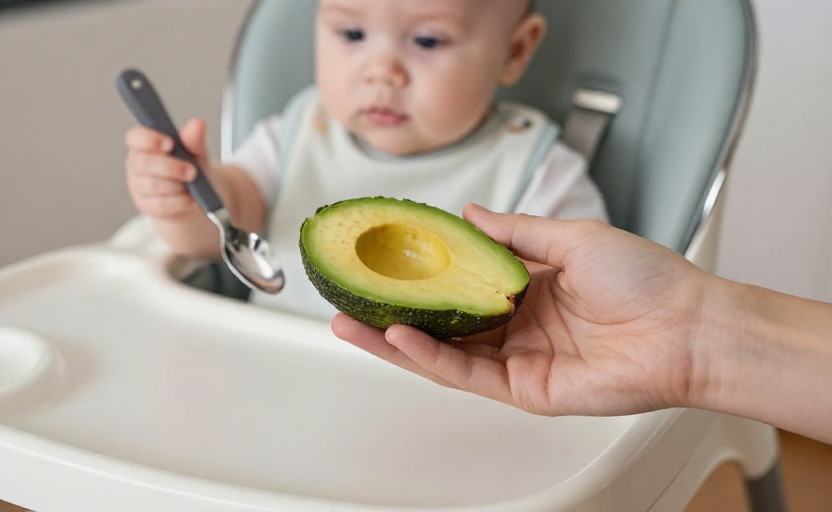
Think of yourself as a culinary tour guide. Season foods gently with herbs and spices like cinnamon, garlic, cumin, or basil instead of salt. Offer soft, manageable versions of what you’re eating: flaked salmon, mashed beans, avocado slices, roasted sweet potato. If a food is rejected once, don’t retire it. It can take 10-15 exposures for a child to accept a new food. Present it again another day, prepared a different way, without any fanfare.
Mistake 3: Relying Too Heavily on Pouches and Pre-Packaged Foods
Squeeze pouches are a modern parenting miracle for convenience and on-the-go moments, and there’s absolutely a place for them. The mistake comes when they become the primary source of nutrition. While many are nutritionally sound, over-reliance on them can hinder development in a few key ways.
First, they bypass the important oral-motor skill of learning to chew and move lumpy food around the mouth. This skill is foundational for speech development and safe eating. Second, sucking food from a pouch is a passive activity. Babies don’t see, touch, or smell the food they’re eating, which are all vital sensory experiences that build familiarity and acceptance. Finally, the constant sweet flavor profile of many fruit-based pouches can set up a preference for sugary tastes.
Use pouches as a backup, not the main event. Prioritize meals where your baby can interact with real food. Let them finger-feed themselves soft-cooked vegetable sticks, grip a spear of ripe mango, or scoop yogurt with their hands. The sensory exploration is as valuable as the calories consumed. When you do use a pouch, consider squeezing the contents onto a spoon or letting your baby dip their fingers in it to maintain that connection to the food itself.
Navigating early feeding is a learning process for both parent and child. By moving away from pressure, embracing variety, and prioritizing real-food experiences, you’re not just filling a tummy. You’re laying the groundwork for a lifetime of healthy, joyful eating habits. Be kind to yourself, trust your baby’s cues, and remember that every meal is a new opportunity to connect and explore together.