
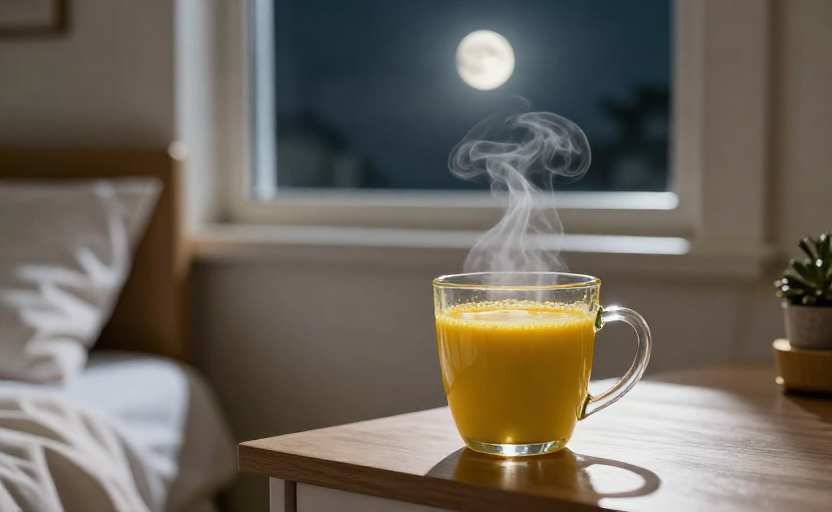
When sleep feels just out of reach, the ritual of a warm drink can feel like a bridge to rest. It’s a simple, comforting act that signals to your body and mind that the day is winding down. While no drink is a magic potion for sleep, certain beverages contain compounds that naturally support the body's own relaxation processes, making that transition into slumber a little smoother.
The Science of Sip and Sleep
Before we explore specific drinks, it helps to understand why they might work. Sleep is governed by a complex dance of hormones and neurotransmitters. A key player is melatonin, often called the “sleep hormone,” which your brain produces in response to darkness. Another is adenosine, a neurotransmitter that builds up in your brain throughout the day, creating “sleep pressure.” Meanwhile, the calming neurotransmitter GABA helps quiet neural activity. Some beverages contain natural precursors or co-factors that gently nudge these systems, promoting a state conducive to sleep without forcing it.
Timing and temperature matter, too. A warm drink can raise your core body temperature slightly, leading to a subsequent cooling drop as your body radiates the heat—a shift that mimics the natural temperature decline that occurs at sleep onset. This physical cue reinforces the mental one. Aim to finish your drink about 30 to 60 minutes before bed, giving your body time to process the liquid and settle into the ritual.
1. Tart Cherry Juice
This deep red drink stands out for a direct connection to sleep physiology. Tart cherries, particularly Montmorency varieties, are one of the few natural food sources of melatonin. Research suggests that consuming tart cherry juice concentrate can lead to modest increases in melatonin levels in the body, which may help regulate the sleep-wake cycle.
Beyond melatonin, tart cherries are rich in anti-inflammatory compounds and contain a notable amount of the amino acid tryptophan. Tryptophan is a building block for serotonin, a neurotransmitter that is later converted into melatonin. The combined effect is a beverage that supports the body's natural production of sleep-signaling hormones. Look for an unsweetened, pure tart cherry juice or concentrate, and consider a small four-ounce serving to avoid excess sugar before bed.
Why it may help:
Provides a direct dietary source of melatonin.
Contains tryptophan, a precursor to serotonin and melatonin.
Offers anti-inflammatory benefits that may support overall recovery during rest.
2. Chamomile Tea
For centuries, chamomile tea has been the quintessential bedtime brew, and modern science offers clues to its enduring reputation. The calming effects are largely attributed to an antioxidant called apigenin, which is found in chamomile flowers. Apigenin binds to specific receptors in the brain that may promote muscle relaxation, reduce anxiety, and initiate sleep.
Drinking a warm, caffeine-free herbal tea like chamomile is a powerful behavioral signal. The act of brewing and sipping a quiet cup creates a mindful pause, pulling you away from screens and daily stresses. This combination of a gentle phytochemical and a strong relaxation ritual makes chamomile a double ally in your nighttime routine. For the best experience, steep a quality tea bag or loose flowers in hot water for a full five minutes to extract the beneficial compounds.
Why it may help:
Contains apigenin, an antioxidant that may promote relaxation and drowsiness.
The caffeine-free, warm ritual itself is a potent signal for sleep.
May help soothe minor digestive discomfort that can interfere with falling asleep.
3. Warm Milk with a Pinch of Turmeric (Golden Milk)
The old advice about warm milk has roots in both nutrition and nostalgia. Milk contains tryptophan, and the calcium it provides helps the brain use that tryptophan to produce melatonin. The warmth is comforting, and for many, it evokes a deep-seated sense of safety and calm from childhood.
Elevating this classic with anti-inflammatory spices creates “golden milk,” a beverage gaining popularity for its wellness benefits. A simple recipe involves warming milk (dairy or a fortified plant-based alternative like almond or oat) with a small amount of turmeric, a dash of black pepper (which enhances turmeric absorption), and perhaps a hint of cinnamon and ginger. Turmeric’s active compound, curcumin, has been studied for its role in managing oxidative stress and inflammation, which, when lowered, may create a more favorable internal environment for restorative sleep.
Why it may help:
Provides tryptophan and calcium, which support melatonin production.
Turmeric and other spices add anti-inflammatory and antioxidant properties.
The combination of warmth, gentle spices, and creamy texture is profoundly soothing to the senses.
What to Avoid in the Evening
Just as some drinks can support sleep, others can actively undermine it. Caffeine is the most obvious culprit; its effects can linger for hours, blocking adenosine receptors and keeping you alert. Be mindful beyond coffee—black tea, green tea, many sodas, and even dark chocolate contain caffeine. Alcohol, while it may induce initial drowsiness, significantly fragments sleep architecture and reduces sleep quality in the second half of the night. Lastly, large volumes of any liquid right before bed can lead to disruptive nighttime trips to the bathroom.
The journey to better sleep is holistic. A calming bedtime drink works best as part of a broader wind-down routine: dimming lights, putting away electronic devices, and perhaps engaging in light reading or gentle stretching. Listen to your body's responses, as individual reactions to foods and drinks can vary. If sleep difficulties persist, it’s always wise to consult a healthcare provider to explore underlying causes. For many, however, the simple, intentional act of sipping something warm and supportive can be a cherished step on the path to a more peaceful night.