
The pressure of exams, deadlines, and constant performance can leave any student’s nervous system feeling frayed. When stress builds, sleep suffers, concentration dips, and the body stays in a low-grade fight-or-flight state. While there’s no magic fix, a warm cup of tea can be a gentle, ritualistic anchor—one that signals to your body that it’s safe to slow down.
All teas come from the Camellia sinensis plant, but different processing and compounds change how they affect the brain. For students specifically, two varieties stand out for their calming yet clear-headed effects: chamomile and green tea (especially its L-theanine content). Below, we unpack why these two teas work, how to use them effectively during study days, and what to watch out for.
Why These Two Teas Work for the Stressed Student Brain
Chronic stress depletes GABA, a neurotransmitter that helps quiet neural activity. Both chamomile and green tea support GABA pathways, but through different mechanisms. Chamomile acts as a mild sedative, while green tea’s L-theanine promotes a state of alert calm—ideal for studying without jitteriness.
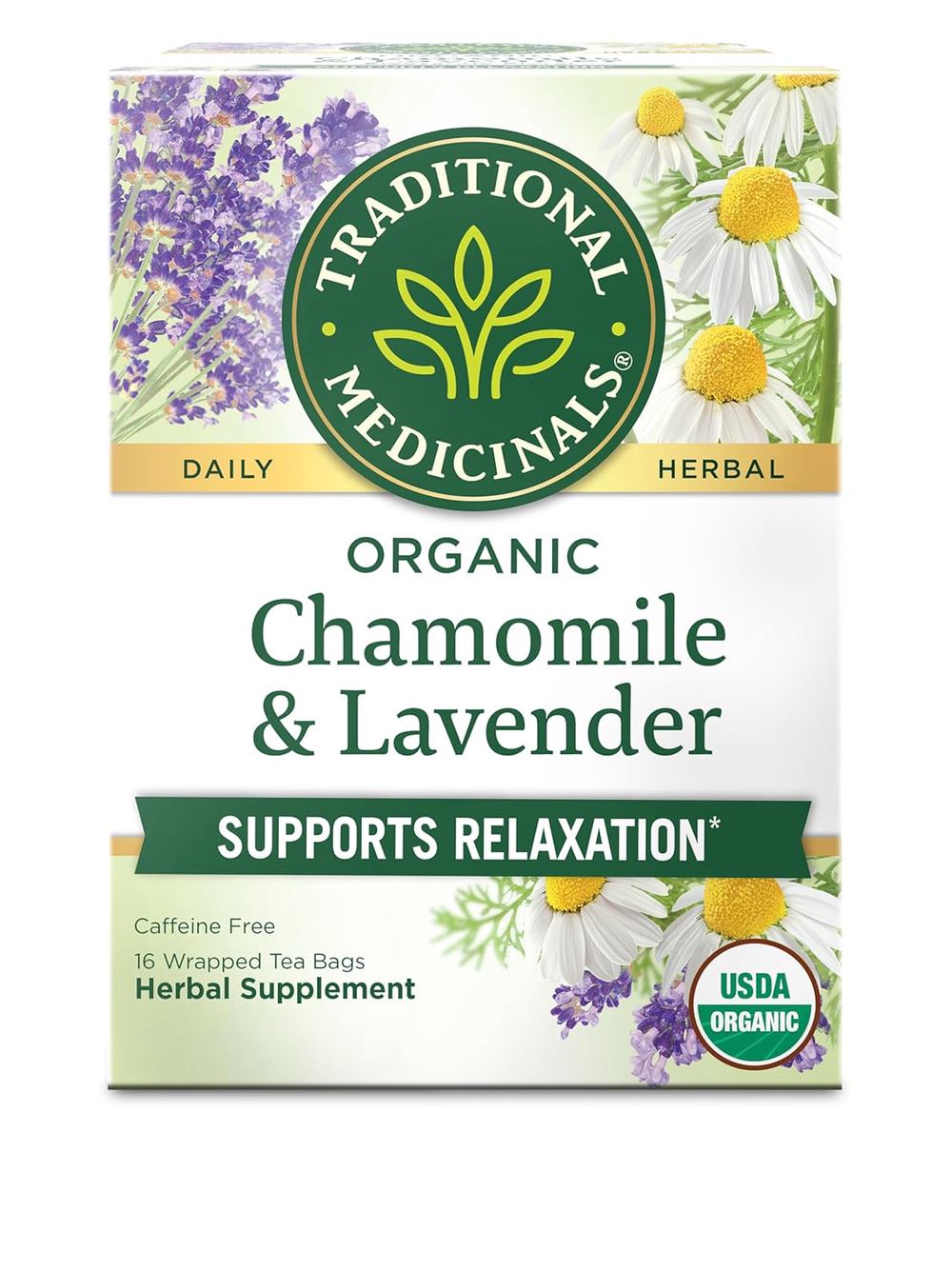
1. Chamomile: The Nighttime Reset
Chamomile is one of the most studied herbs for anxiety. A 2016 double-blind trial found that chamomile extract significantly reduced moderate-to-severe generalized anxiety disorder symptoms over 8 weeks. As a tea, it’s milder but still effective for evening use.
- Key compound: Apigenin, a flavonoid that binds to benzodiazepine receptors in the brain, producing a gentle anxiolytic effect.
- Best timing: 30–45 minutes before bed. Avoid during study sessionsthat require full alertness—it can make you drowsy.
- Student tip: Brew a strong cup (2 teabags or 1.5 tsp loose flowers) and sip slowly while reviewing flashcards; the ritual itself can lower cortisol.
Caution: Chamomile may interact with blood thinners (e.g., warfarin) or sedation medications. If you’re on prescription anxiety meds, check with your doctor first.
2. Green Tea (with L-Theanine): Focus Without Jitters
Green tea contains both caffeine and L-theanine, an amino acid that crosses the blood-brain barrier and promotes alpha-wave activity—the same brain waves seen in meditation. This combination creates a state of “alert calm”: you’re awake and focused but not anxious.
- Key synergy: L-theanine smooths out the caffeine spike, reducing the shaky feeling some students get from coffee. It also boosts dopamine and serotonin slightly.
- Best timing: Morning or early afternoon study blocks. Drink 1–2 cups between 8 AM and 2 PM to avoid sleep disruption.
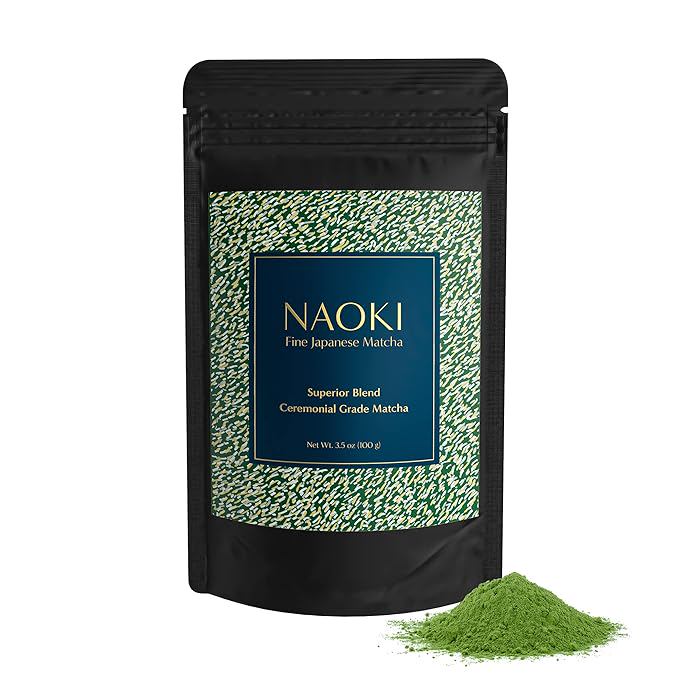
- Student tip: Matcha (powdered green tea) has 2–3 times more L-theanine than standard brewed tea. Look for “ceremonial grade” matcha—it’s smoother and less bitter.
One caveat: green tea still contains caffeine (~25–45 mg per cup). If you’re highly sensitive or have anxiety disorders, start with a short steep (1–2 minutes) and dilute with hot water.
Practical Routine for Stressed Students
You don’t need to overhaul your whole diet. A simple daily tea protocol can help reset your nervous system without extra effort:
- Morning (~8 AM): 1 cup of brewed green tea or matcha latte. Pair with breakfast protein to steadysugar levels.
- Afternoon (~2 PM): If you feel an energy crash, opt for a second cup of green tea (or switch to a low-caffeine herbal like rooibos). Avoid chamomile during study hours.
- Evening (~9 PM): 1 cup of chamomile tea. Dim the lights, avoid screens for 20 minutes, and breathe deeply while sipping.
This routine leverages each tea’s peak benefit window, supporting focus by day and restful sleep by night.
Are There Any Downsides?
Both teas are generally safe for short-term daily use, but a few considerations matter for students:
- Chamomile: May cause allergic reactions in people sensitive to ragweed, daisies, or marigolds. If you get hives or swollen lips, stop immediately.
- Green tea: High doses (over 5 cups/day) may irritate the stomach or cause calcium loss over time. Also avoid drinking it immediately after meals—tannins can reduce iron absorption.
- Caffeine withdrawal: If you’re used to coffee and switch to green tea, you might still crave caffeine. Taper down coffee gradually to avoid headaches.
As always, tea is a complement—not a replacement—for professional mental health support. If stress feels overwhelming, talking to a counselor or doctor is the best step.
In short, a cup of chamomile before bed and a cup of green tea during study time can naturally support a stressed student’s nervous system without heavy side effects. The key is consistency: making tea part of your daily rhythm rather than an occasional fix.