For anyone living with diabetes or managing blood sugar levels, the ability to detect an impending low is a crucial safety net. That shaky, sweaty, or suddenly anxious feeling is your body’s alarm system, telling you it’s time to act. But what happens when that alarm gets muffled? More precisely, what if two common daily habits have been turning down the volume on those early warning signs without you even realizing it?
This isn’t about rare medical anomalies. It’s about the subtle, everyday patterns that can inadvertently create a gap between where your blood glucose actually is and what you feel. Recognizing these habits is the first step toward rebuilding a reliable early detection system. Let’s look at the two most common culprits.
Habit #1: The Constant Sipping of Caffeinated Beverages
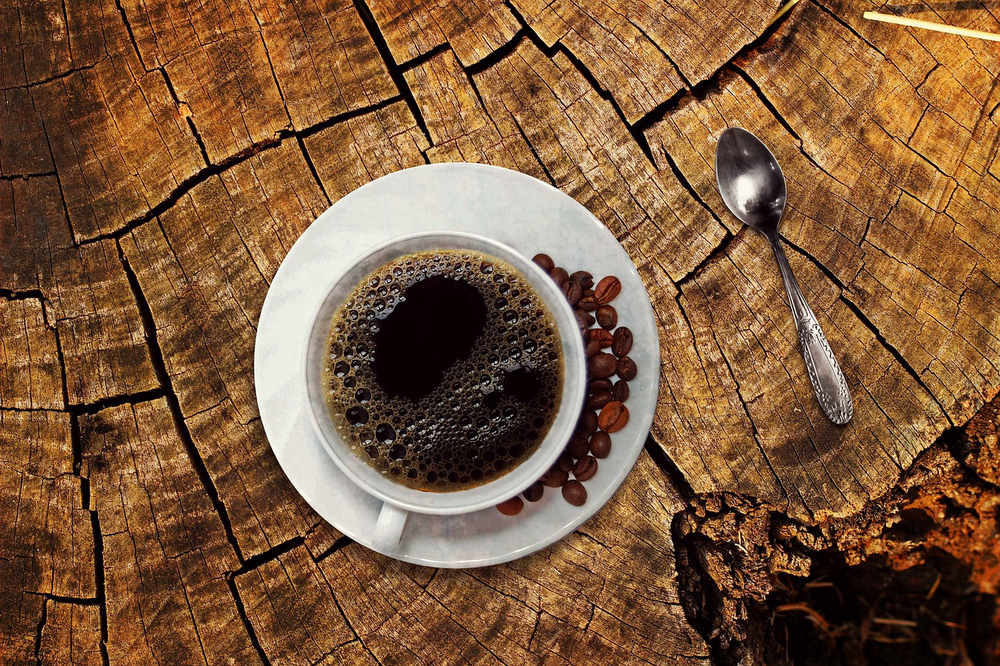
For many, the day starts with coffee and continues with tea or diet soda. Caffeine is a stimulant, and in moderate amounts, it can sharpen focus and boost energy. However, when it comes to hypoglycemia awareness, it can be a source of static.
How it interferes with your body’s signals
Caffeine triggers the release of epinephrine (adrenaline). This is the same hormone your body naturally releases when blood sugar drops too low. Epinephrine is responsible for those classic early warning signs: a racing heart, tremor, sweating, and nervousness.
When you have a steady stream of caffeine in your system, you may be living in a state of mild, constant sympathetic nervous system activation. This means your body is already experiencing the physiological sensations of a low blood sugar event, even when your glucose is perfectly normal. Over time, your brain learns to ignore these signals. When a real hypoglycemic episode occurs, the signal needs to be much louder to break through the noise, delaying your recognition and reaction time.
A practical check: Monitor your symptoms for a few days without your morning coffee or afternoon soda. Notice if your baseline heart rate feels lower or if you feel less jittery. This helps you recalibrate your internal sensitivity.
This is different from simply avoiding caffeine. It’s about consistency and recognizing that for some individuals, the body can confuse the metabolic effects of caffeine with the early stages of hypoglycemia, effectively masking the true cause of the symptoms until levels become dangerously low.
Habit #2: The Automatic “Grazing” Pattern (Scheduled Snacking)
Conventional wisdom for decades has been to eat small, frequent meals to “keep blood sugar stable.” While this advice works for some, it can backfire by eliminating all opportunities to feel a mild low. Your body learns to recognize a low only by experiencing it.
Why never feeling a low makes you less safe
Reactive hypoglycemia and impaired awareness of hypoglycemia are linked to how often your brain is exposed to low glucose. If you are habitually snacking every two to three hours, you are artificially keeping your blood glucose in a narrow, higher band. You never allow it to gently drift into the lower end of the normal range (e.g., 70–90 mg/dL).
This constant grazing means your body’s counter-regulatory hormones—the ones that should kick in at the first sign of a dip—are never exercised. You are essentially putting your internal alarm system into a deep sleep. The result is that your first noticeable symptom might not be the usual mild shakiness at 70 mg/dL, but instead confusion or grogginess at 50 mg/dL.
This is not an argument for skipping meals entirely, which can be dangerous. Instead, it’s a case for strategically allowing a longer interval between meals, under the guidance of your healthcare team, so you can learn to recognize the subtle cues your body gives off as glucose begins to fall.
How to rebuild your hypoglycemia awareness
If these two habits sound familiar, don’t worry—this is a reversible situation. The goal is to reduce the noise so you can hear the signal. Here are three steps to consider when working with your doctor:
- Audit your caffeine intake. Keep a log for one week, noting not just cups of coffee but also tea, soda, and energy drinks. Work with your healthcare provider to find a consistent, low-to-moderate intake that doesn’t mimic low blood sugar symptoms.
- Introduce a “low-tolerance window.” This is a brief period (30–60 minutes) where you allow your pre-meal blood sugar to sit at a safe but lower level, without immediately eating. This helps your brain re-learn what a gentle decline feels like.
- Use a structured log. Write down your blood glucose numbers and your symptoms at the same time. This correlation helps you identify the unique pattern of your own early warning signs—which might be yawning, a specific mood change, or a slight headache—that caffeine or grazing had previously hidden.
Your body wants to communicate with you. By stepping back from constant caffeine stimulation and the habit of automatic snacking, you give your internal alarm system a chance to wake up and work as it should. Small adjustments in daily habits can lead to a much clearer picture of your health.