
As we get older, a good nap can feel like a survival tool. But have you ever woken up from a short rest feeling groggy, headachy, or more tired than before? You might be surprised to learn that the culprit could be sitting in your kitchen. According to sleep specialists, two common foods are particularly sneaky when it comes to sabotaging the restorative power of naps for adults over 40.
The issue isn't just about calories or digestion. It's about how specific compounds in these foods interact with aging brain chemistry and sleep architecture. Here is what the experts point to, and why swapping them out could make your mid-day rest feel genuinely refreshing again.
1. Highly Processed Sugary Snacks (The Blood Sugar Rollercoaster)
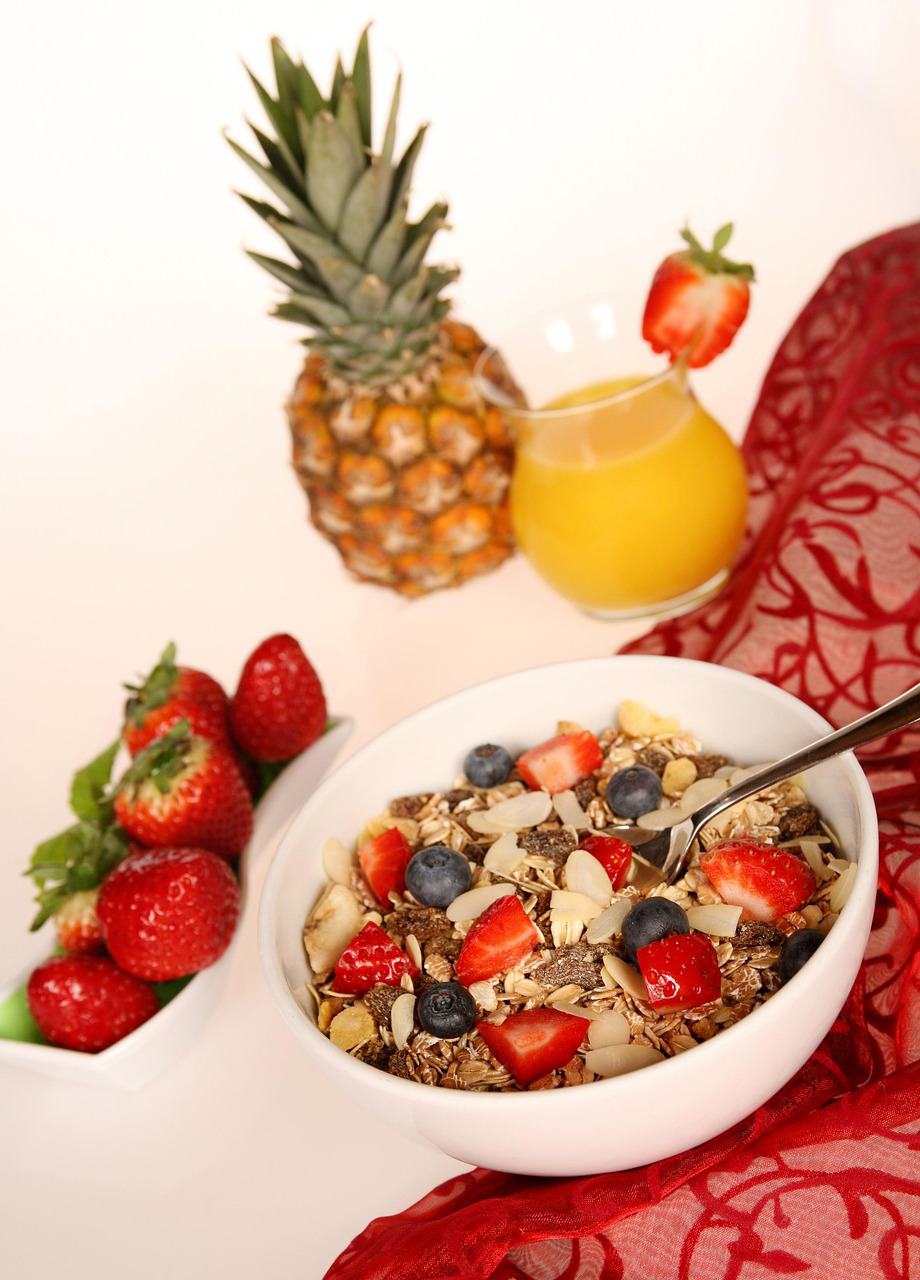
The first offender is anything loaded with refined sugar and low in fiber—think pastries, candy bars, sugary cereals, or even a big glass of fruit juice before a nap. Dr. Shelby Harris, a clinical psychologist specializing in sleep, explains that a sharp spike in blood sugar followed by a rapid crash can disrupt the body's ability to fall into the deeper, more restorative stages of sleep.
As we age, our metabolism slows down, and glucose regulation becomes less efficient. Consuming a high-sugar snack right before a nap floods the system with insulin. As the body works hard to manage that spike, it pulls glucose out of the bloodstream just as quickly, often leading to a blood sugar low about 45 to 60 minutes later. This jolts the brain into a stress response, waking you up prematurely or leaving you feeling drained instead of restored. You may also experience a pounding heart or anxiety upon waking—a sign that your autonomic nervous system was fighting a sugar crash while you tried to rest.
Quick swap: If you want a small snack before a nap, reach for something with protein and healthy fat, like a handful of almonds or a hard-boiled egg. This keeps blood sugar stable and supports deeper sleep onset.
2. Caffeinated Coffee or Strong Tea (The Deep Sleep Blocker)
This one is obvious but deserves a deeper look, especially for older adults. The second food is caffeine, specifically when consumed within several hours of a planned nap. Many people think a little coffee before a power nap will help them wake up alert thanks to the "caffeine nap" phenomenon, but for aging sleepers, this strategy can backfire.
As we get older, the liver processes caffeine more slowly, and the brain's adenosine receptors—the ones that signal tiredness—become less sensitive. A cup of coffee or black tea three to four hours before a nap can still block adenosine from doing its job effectively. This means you will fall asleep more slowly, spend less time in slow-wave sleep (the deep, restorative phase), and wake up feeling like you barely slept at all. The result is a nap that feels like a waste of time.
The bigger picture: Why age changes the rules
Sleep architecture naturally shifts with age. We produce less melatonin, our circadian rhythm advances (making us sleepier earlier), and we spend less time in deep sleep. This makes the restorative window of a nap shorter and more fragile. When you add a blood sugar crash or lingering caffeine into the mix, that limited window shrinks even further, robbing you of the mental clarity and physical recharge that a good nap should provide.
The key isn't to avoid napping altogether—it is a healthy habit that supports memory, mood, and cardiovascular recovery. The trick is to set the conditions right. A light snack rich in protein or healthy fats, timed two hours after lunch and at least three hours before your planned bedtime, is your best bet. And if you do crave a warm beverage, consider a caffeine-free herbal tea like chamomile or rooibos.
By cutting out these two food categories before a rest, you allow your aging brain to access the deep sleep it desperately needs—making every minute of that nap count.