Starting a new birth control method is a significant step in managing your reproductive health, but it often comes with an unwelcome side effect: cramping. Whether you've just started the pill, had an IUD inserted, or switched to a different hormonal method, your body needs time to adjust. The good news is that there are practical, expert-backed strategies to help ease that cramping as you settle into your new routine.
Below are two key approaches that can make a real difference during this transition. These tips focus on supporting your body naturally and knowing when to check in with your healthcare provider.
Tip 1: Use targeted heat and gentle movement to ease pelvic tension
One of the most immediate and effective ways to manage cramping from a new birth control method is to address muscle tension in your pelvic area. Cramps often feel sharp or achy because the uterine muscle is contracting as your body adjusts to the new hormones or physical device.
Here’s what you can do:
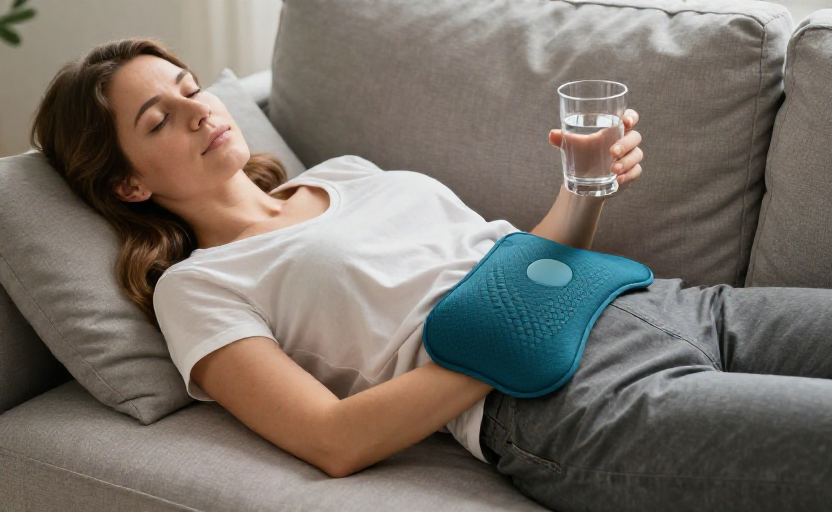
- Apply a heating pad or warm compress. Heat helps relax the contracting muscles and improves blood flow to the area, which can significantly reduce pain. Place a heating pad on your lower abdomen for 15–20 minutes at a time. You can also take a warm bath or use a microwavable heat pack wrapped in a towel.
- Try gentle, restorative movement. While high-intensity exercise might not feel great, light activity can actually help. Walking slowly, doing gentle yoga poses like child’s pose or cat-cow, or even stretching your lower back can ease tension. Movement encourages circulation and releases endorphins, which are your body’s natural pain relievers.
- Avoid deep pressure on the abdomen. When starting a new method, your uterus can be sensitive. Stick with light touch and heat rather than trying to massage deeply into the area, which could aggravate inflammation.
Most cramping related to starting a new birth control method lessens within the first few days to two weeks as your body adjusts. If the pain is severe or lasts longer, it’s worth a conversation with your doctor.
Tip 2: Support your body with smart hydration and nutrition choices
What you put into your body during this adjustment period can either help or worsen cramping. A few targeted changes to your diet and hydration habits can reduce inflammation and support your system through the transition.
Consider these adjustments:
- Stay well-hydrated. Dehydration can make muscles more prone to cramping and spasms. Aim to drink water consistently throughout the day. Herbal teas like chamomile or ginger tea can also be soothing—they are warm and help relax the digestive and uterine muscles.
- Increase magnesium-rich foods. Magnesium is known to help relax muscles and can be particularly helpful for cramping. Good sources include almonds, spinach, pumpkin seeds, black beans, and bananas. You might also consider adding foods rich in calcium, like yogurt or fortified plant milk, which can help with muscle function.
- Reduce salty and processed foods. High-sodium foods can lead to water retention and bloating, which may make cramping feel worse. During the first week or two of your new method, try to favor whole foods like fruits, vegetables, and lean proteins.
These nutritional tweaks won't eliminate cramps overnight, but they can noticeably reduce their intensity and help your body feel more balanced.
When to talk to your healthcare provider
It’s normal to have some cramping when starting a new birth control method, but it should not be debilitating. If you experience any of the following, it’s time to call your doctor or clinic:
- Severe or sharp pain that doesn't improve with heat or rest
- Pain that lasts longer than two weeks
- Very heavy bleeding or bleeding between periods
- Signs of infection such as fever, chills, or unusual discharge
Your healthcare provider can assess whether your body is having a normal reaction, or whether an alternative method might be better suited to you. They can also offer short-term recommendations like over-the-counter pain relievers if needed.
Final thoughts
Starting a new birth control method is a personal decision that often comes with some temporary discomfort—cramping being one of the most common. By using targeted heat, staying gently active, and supporting your body with good nutrition and hydration, you can navigate this period more comfortably. Remember, your body needs time to adapt, and these simple strategies can make the transition smoother while you enjoy the long-term benefits of your chosen method.