
You've tried the sleep teas, the blue-light glasses, and the white noise apps. But if you're still staring at the ceiling at 2 a.m., the problem might not be your habits—it might be your room. Your sleep environment sends powerful signals to your brain, telling it whether it's safe to rest or time to stay alert. The good news? Two simple, expert-backed adjustments can make a dramatic difference, and you can implement both of them tonight.
We've combed through the latest sleep research and talked to sleep specialists to find the changes that offer the biggest payoff for the least effort. These aren't expensive renovations or complicated routines. They're targeted fixes that address the two most common culprits of poor sleep: light and temperature.
Adjustment #1: Eliminate Intrusive Light Sources
Light is the single most powerful cue for your circadian rhythm. When your eyes detect light, especially blue wavelengths, your brain suppresses melatonin—the hormone that helps you fall asleep. Even tiny amounts of light can disrupt this process.
Walking through a brightly lit house before bed isn't the only issue. Many people sleep with low-level light pollution they don't even notice. Think about the standby light on your TV, the glow from your router, or the streetlight sneaking through a gap in your curtains. A 2022 study in Sleep found that even dim ambient light during sleep increased heart rate and insulin resistance the next morning.
What to do tonight:
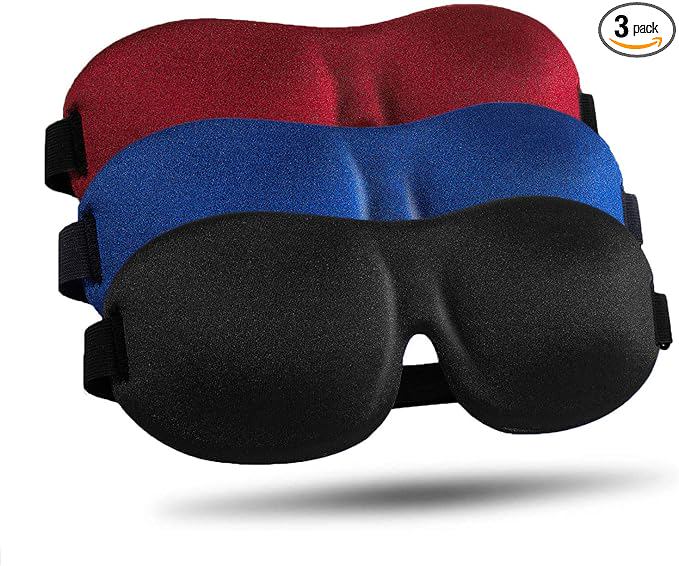
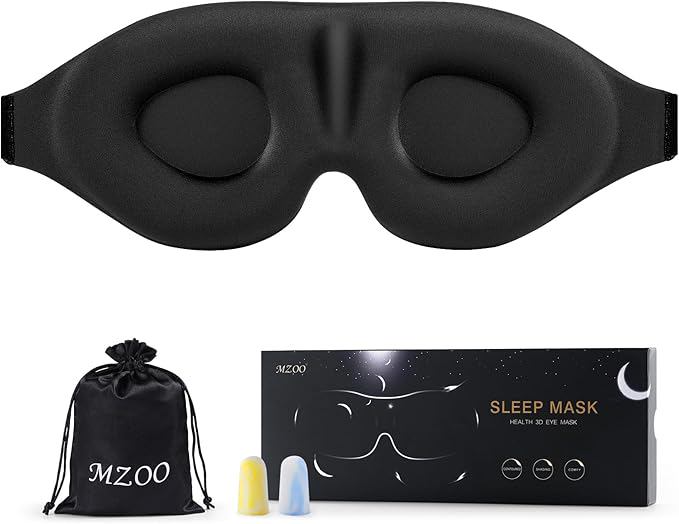
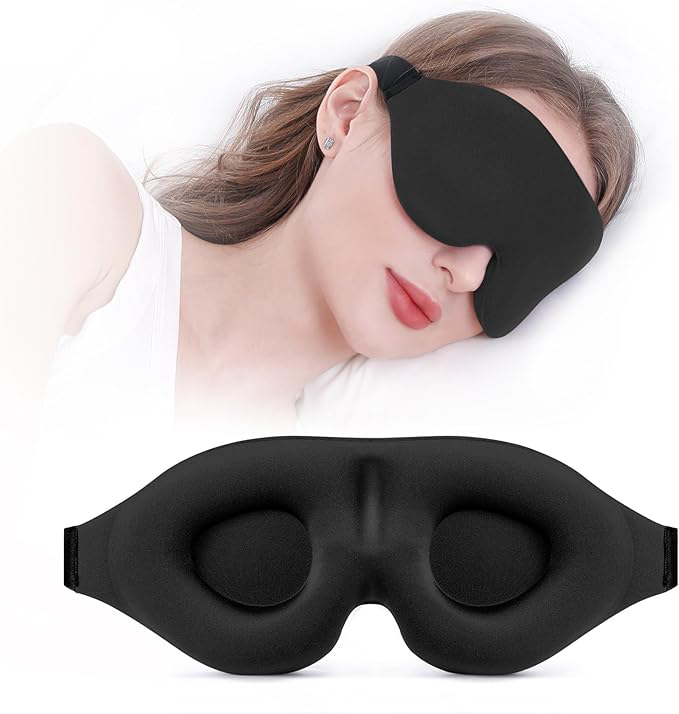
- Use blackout curtains or a sleep mask. A quality mask blocks 100% of light, which is impossible to achieve with most curtains alone. Look for one that contours around your eyes so it doesn't press on your eyelids.
- Cover or unplug electronics. Little LED indicators are surprisingly bright in a dark room. A piece of electrical tape works wonders if you can't unplug a device.
- Identify and block external light. Check for gaps around your blinds or curtains. Even a small sliver of light from a streetlamp can be enough to fragment your sleep cycles.
A quick trick: Once the lights are out, hold your hand in front of your face. If you can see your fingers, your room isn't dark enough for optimal sleep.
Adjustment #2: Optimize Your Room Temperature
Your body temperature naturally drops in the hours leading up to sleep, and it continues to fall as you drift into deeper stages. Your sleep environment should support this natural cooling process, not fight against it. Most people set their thermostats too high for quality sleep.
The Sleep Foundation recommends a bedroom temperature between 60 and 67°F (15 to 19°C). This might feel too cool at first, but your body will adjust quickly—and you'll sleep more deeply. When your core temperature stays elevated, you're more likely to wake up and have trouble falling back asleep.
What to do tonight:
- Lower your thermostat. If 65°F sounds extreme, try starting at 68°F and reduce it by one degree each night until you find your sweet spot.
- Consider your bedding. Natural, breathable fibers like cotton, linen, and bamboo wick moisture away better than synthetic blends. They allow heat to escape rather than trapping it against your skin.
- Try temperature-regulating pillows and mattress toppers. Some are designed with phase-change materials that absorb excess heat, keeping the surface of your bed several degrees cooler than a standard pillow.
A cool room combined with warm blankets is ideal. The cool air lowers your core temperature, while the blanket keeps your hands and feet comfortable, helping your body initiate sleep onset.
Putting It All Together
You don't need to overhaul your entire bedroom to get better rest tonight. Focus on these two levers: darkness and coolness. They work in tandem. A pitch-black room that's too hot won't help, and a perfectly cool room with a blinking light still disrupts your melatonin production.
Here's a simple checklist for tonight:
- Lower the thermostat or open a window to get the room between 60 and 67°F.
- Pull down blackout shades or put on a sleep mask.
- Cover or unplug any glowing electronics.
- Swap synthetic sheets for natural-fiber ones if you have them.
- Check for light leaks around the door and windows.
Small changes lead to big results when they target the root causes of poor sleep. By addressing light and temperature, you're working with your biology instead of against it. Give these two adjustments a fair shot tonight, and pay attention to how you feel in the morning. Most people notice a difference within the first few days.