
When emotions run high after a fight with a partner, reaching for a familiar comfort drink can feel like the natural thing to do. But what feels soothing in the moment may actually deepen the exhaustion that follows conflict. If you’ve noticed that disagreements leave you feeling drained, irritable, or foggy-headed, your beverage choices could be making things worse.
Here are two drinks to avoid when relationship conflict triggers emotional fatigue—and what to reach for instead to support steady energy and a calmer mind.
Caffeinated coffee: a false energy boost
A mug of hot coffee might seem like the perfect antidote to a rough morning after an argument. But caffeine works by blocking adenosine, a brain chemical that promotes sleep and relaxation. When you’re already running on emotional fumes, this artificial stimulation can backfire.
Instead of restoring real energy, caffeine can amplify the physical symptoms of stress—racing heart, jittery hands, shallow breathing—which your brain may interpret as continued threat. For someone already in a heightened emotional state after conflict, this can keep the nervous system stuck in fight-or-flight mode. Sleep quality often suffers, too, making it harder to recover overnight.
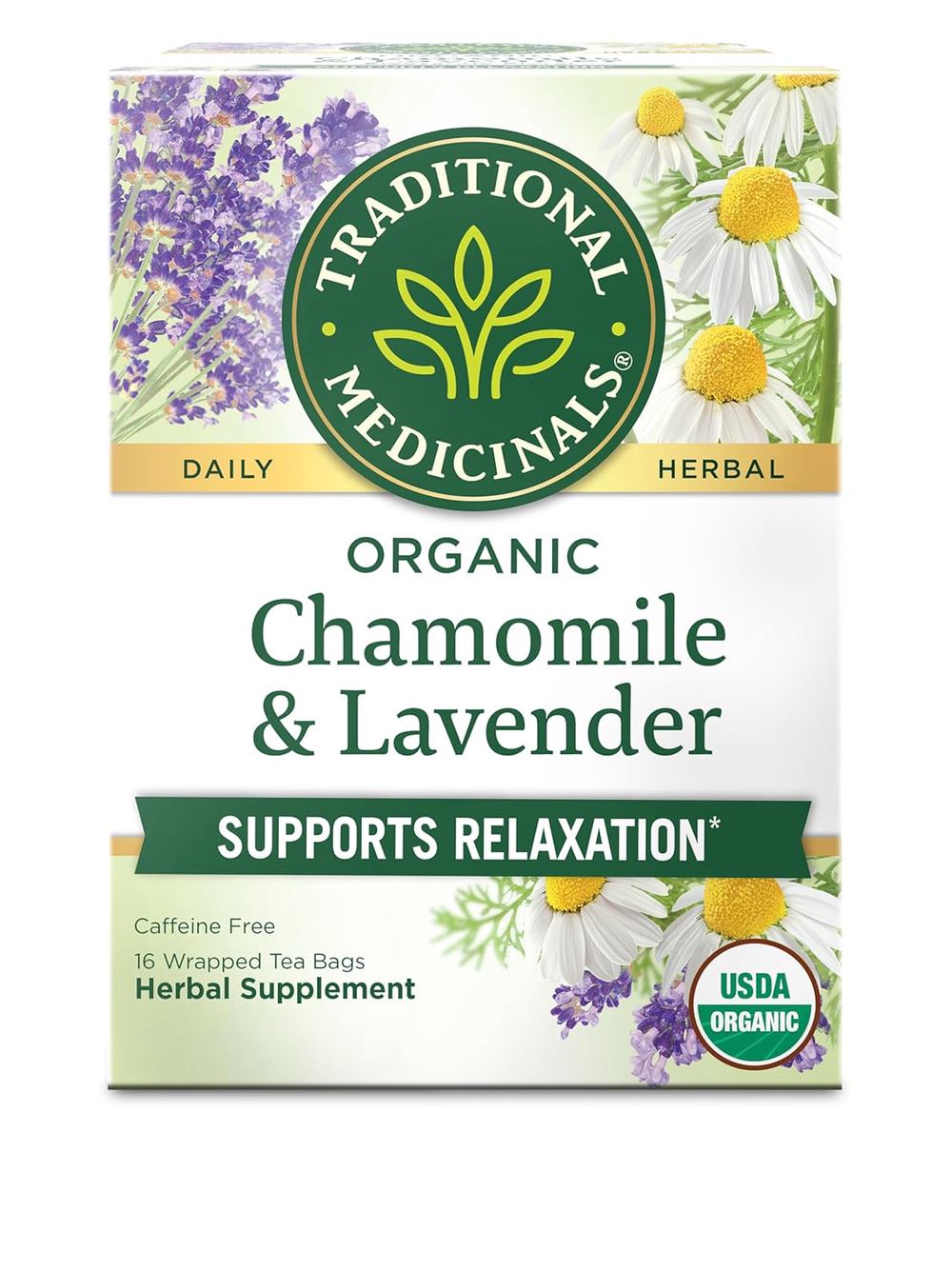
If you want a warm, comforting drink, try a low-caffeine or caffeine-free herbal tea such as chamomile, rooibos, or lemon balm. These options support relaxation without spiking your stress response.
Sugary soda and energy drinks: quick crash, slower mood recovery
It’s tempting to grab a sweet, cold soda when you feel mentally wiped out. The sugar rush offers a temporary lift, but it’s followed by a blood sugar drop that can worsen irritability, brain fog, and fatigue. For someone already dealing with the emotional hangover of relationship tension, that crash can feel even steeper.
Highly sweetened beverages also promote inflammation and can disrupt gut health, both of which are linked to mood regulation. Over time, heavy sugar intake may reduce the brain’s ability to cope with stress, leaving you more vulnerable to emotional lows after conflict.
Tip: If you crave something sweet and cold, try sparkling water with a splash of 100% fruit juice or a slice of citrus. You get the fizz and flavor without the sugar spike.
How drinks affect emotional recovery after conflict
Relationship arguments trigger a cascade of stress hormones—cortisol and adrenaline—that prepare the body for action. After the conflict resolves, the nervous system needs time to downshift into rest-and-digest mode. The right foods and drinks can support that transition. The wrong ones can prolong the stress response.
Drinks that are high in caffeine or refined sugar can mimic or amplify the physical sensations of anxiety. This can make it harder to self-soothe, communicate clearly, or feel safe enough to reconnect. Over weeks and months, reliance on these beverages may contribute to chronic sleep disruption, mood swings, and a lower tolerance for everyday disagreements.
Better drink choices for emotional steadiness
- Water with electrolytes: helps rehydrate after stress-induced tension and supports cognitive clarity.
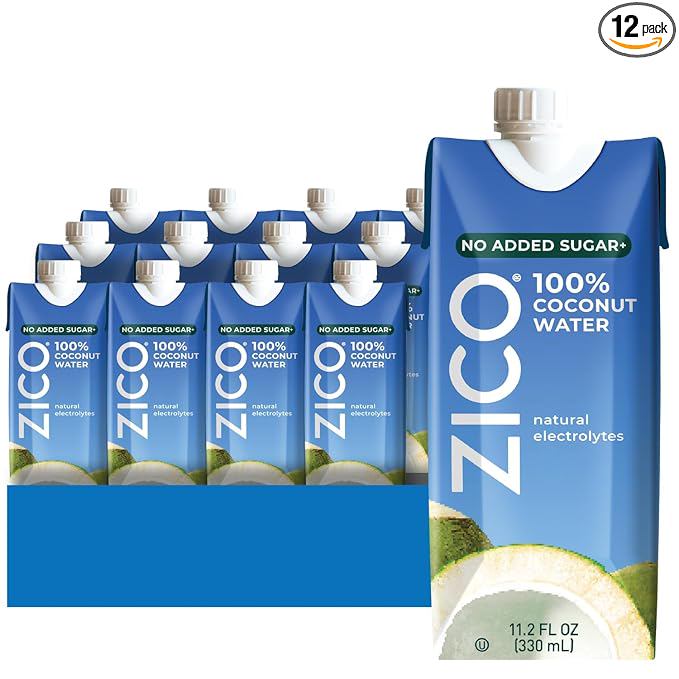
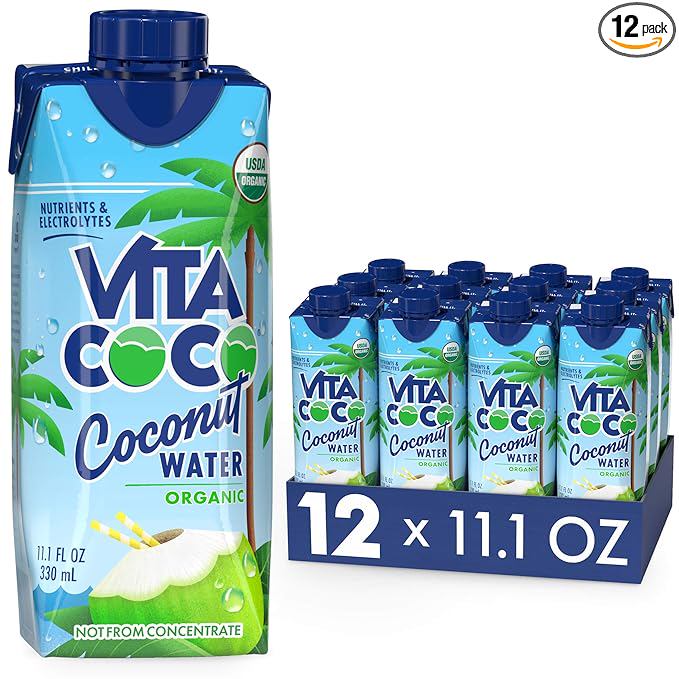
- Coconut water: naturally low in sugar and rich in potassium, which can support nerve function and calm.
- Warm milk or plant-based milk with turmeric: offers comfort and contains compounds that may support relaxation.
- Green tea: a lighter caffeine option with L-theanine, an amino acid that promotes a calm, alert state.
Small changes, real difference
You don’t need to overhaul everything at once. Just swapping one high-caffeine or high-sugar drink for a gentler alternative after a difficult conversation can help your body recover faster. Over time, these small choices build resilience—making it easier to handle conflict without feeling completely drained.
If emotional fatigue lingers or interferes with daily life, consider speaking with a therapist or counselor. Professional support can help you develop deeper strategies for managing conflict and protecting your emotional well-being.