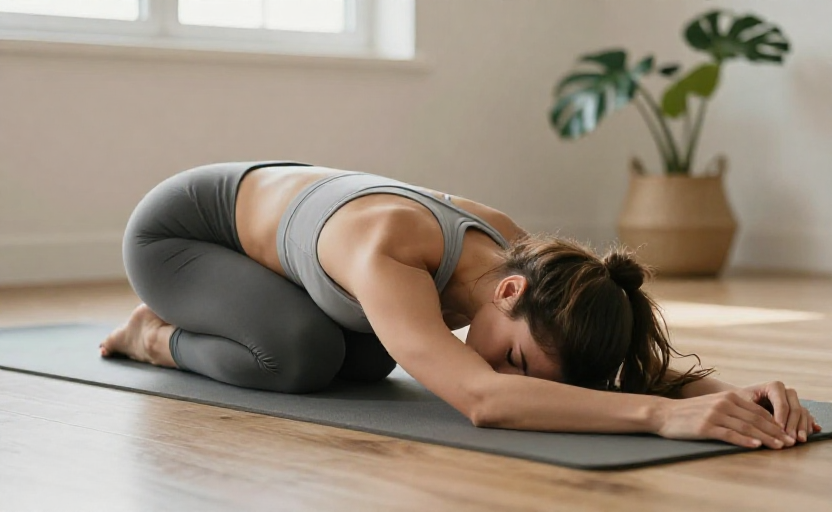
For many women, the days leading up to their period feel like an emotional and physical roller coaster. Mood swings, fatigue, body aches, and anxiety can make simple tasks feel monumental. While these symptoms are common, they are not something you simply have to endure. Research points to two powerful daily habits that can significantly reduce the severity of PMS symptoms: a targeted yoga practice and intentional self-care routines.
This isn't about pushing through or ignoring what your body is telling you. Instead, it's about using gentle, evidence-based practices to support your nervous system, balance hormone levels, and ease the discomfort that comes with this phase of your cycle. The goal is to tune in, slow down, and give your body exactly what it needs.
How Gentle Yoga Lowers Cortisol and Eases PMS
Yoga is far more than just stretching. When practiced during the luteal and menstrual phases, it directly counteracts the stress response that can worsen PMS. By focusing on slow, mindful movement and breath awareness, you help lower cortisol—the primary stress hormone. Elevated cortisol can throw your endocrine system off balance, exacerbating moodiness, fatigue, and bloating. A consistent yoga practice acts as a natural regulator, soothing the nervous system and promoting a state of calm restfulness.
The key is to choose restorative, grounding poses over vigorous flow. The aim is to release muscle tension, increase blood flow to the pelvis, and quiet an overactive mind.
Essential Yoga Poses for Symptom Relief
These poses are specifically designed to relax the pelvic floor, release lower back tension, and improve circulation. Hold each pose for 30 seconds to two minutes, focusing on deep, steady breathing.
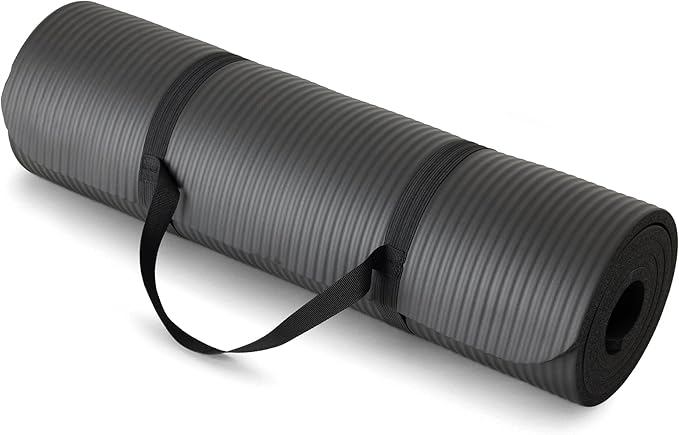
- Shoulder Twist (on knees): Start on all fours. Pass one arm under the other, lowering your shoulder and head toward the mat. This gently twists the spine, releases stiffness in the upper back, and improves respiratory function. Repeat on both sides.
- Pigeon Pose: Slide one knee forward toward your wrist while extending the opposite leg straight back. Slowly fold forward, resting your head on your hands or a block. This deeply opens the hips and alleviates cramping and body aches.
- Reclined Twist (with bolster or pillows): Place a bolster vertically. Sit beside it with knees bent, then twist your knees to the side and lie back, resting your torso on the bolster. This releases back pain and stretches the groin, offering a comforting, mood-uplifting effect.
- Supported Bound Angle Pose (Supta Baddha Konasana): Lie back over a vertically placed bolster, supporting your entire spine. Bring the soles of your feet together and let your knees fall open. This enhances respiration, releases tightness in the groin, and soothes pelvic cramps.
Breathwork for Hormonal Balance
Pranayama, or breath control, is a potent tool for managing PMS. Try single-nostril breathing (Surya and Chandra Nadi Bhedana). Sit upright, close your left nostril with your thumb, and breathe naturally through the right nostril for one to two minutes. Then repeat on the opposite side. This balances the nervous system, improves breath quality, and directly supports emotional regulation during PMS.
Lifestyle Habits That Support Symptom Reduction
Beyond yoga, the way you nurture yourself off the mat has a profound impact on PMS severity. These daily self-care habits help regulate your body's stress response and provide essential comfort.
1. Nourishing, Light Meals
During this phase, digestive fire is often lower. Choose fresh fruits, home-cooked vegetables, and light proteins. Avoid fried, oily, salty, or pungent foods and alcohol, as these can worsen bloating, inflammation, and fatigue. Simple, energizing meals help stabilize blood sugar and reduce cramping.
2. Aromatic Oils and Warm Baths
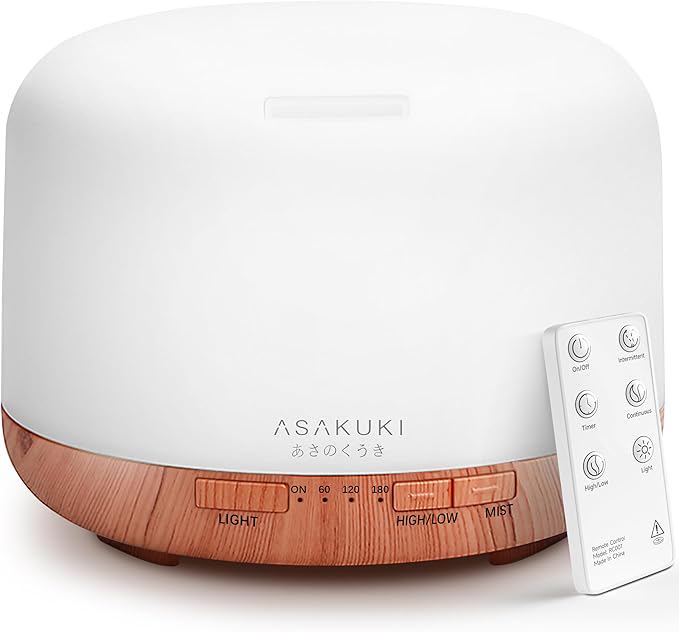
Lavender, clary sage, and chamomile essential oils can have a direct calming effect on the nervous system. Use a diffuser, light a scented candle, or add a few drops to a warm bath. This simple sensory practice helps lower anxiety and lighten your mood.
3. Gentle Body Massage (Self-Marma)
Taking five minutes to massage your feet or entire body with a nourishing oil (like sesame or almond) stimulates pressure points that have a soothing effect on the mind. This practice relieves muscle tension and encourages deep relaxation, making it easier to fall asleep.
4. Journaling for Emotional Release
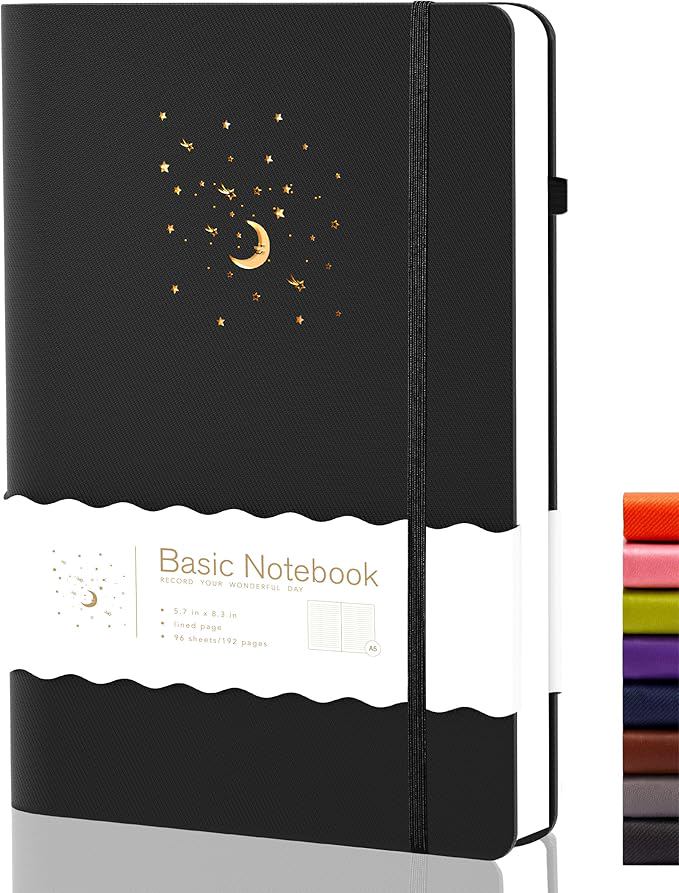
The emotional waves of PMS can feel overwhelming. Journaling provides a judgment-free space to process thoughts, frustrations, and worries. This cathartic release prevents emotional buildup and helps you feel more grounded and in control.
Incorporating these two daily habits—a gentle, research-backed yoga session and intentional self-care routines—can fundamentally shift your experience of PMS. You move from simply enduring symptoms to actively supporting your body's rhythm with compassion and science-backed tools.