
Introducing water to a baby is a milestone that comes with more nuance than most parents expect. While it seems harmless enough, the transition from breast milk or formula to water can trip up even the most prepared caregivers. Two mistakes in particular are very common—and they can lead to everything from poor feeding patterns to serious health concerns. Understanding what they are and how to avoid them will help you protect your baby’s nutrition and safety.
The guidelines around infant hydration have shifted as pediatric research has evolved. For decades, parents were told it was fine to give water early. Today, the recommendations are far more specific. The most important thing to know is that timing matters as much as quantity, and very small details can make a big difference for a tiny system that is still developing.
Mistake No. 1: Offering water before the baby is developmentally ready
One of the most frequent missteps is starting water too soon. For newborns and young infants, breast milk or formula already provides all the fluid they need—even on hot days or during mild illnesses. Adding water before about six months of age does more than fill their tiny stomachs with empty calories. It can displace the nutrient-dense milk or formula they need for growth. This is a big reason pediatric organizations worldwide advise waiting until solids begin, usually around the six-month mark.
When a baby gets water too early, they may nurse or take a bottle less often, which reduces their intake of protein, fat, vitamins, and minerals at a critical time for brain and bone development. It also raises the risk of water intoxication. Because a baby's kidneys are still immature, they cannot process excess water efficiently. Overdilution of the body's fluids can lead to low sodium levels, which can cause seizures or other neurological problems.
Some parents try to use water to help with constipation, but that is another area where a small mistake can backfire. For infants under six months, a tiny amount of water (about an ounce) may be advised by a pediatrician in specific cases, but never as a routine solution. Instead, gentle movement or changing the type of formula (if formula-fed) often addresses constipation more safely.
Pro tip: Even when starting solids, water should be offered only in small amounts—think a few sips from an open cup at mealtime, not a full bottle.
Mistake No. 2: Using too much water or the wrong kind of water
Once your baby is six months old and ready to try water, more is not better. A few ounces per day, spread out over meals, is plenty for most babies. Giving larger volumes between bottles can make them too full for milk or formula, which is still the primary source of calories and nutrients well into the first year. A common pattern is that a baby who drinks too much water will seem less interested in feeding, and parents may not connect the two.
Another layer to this mistake involves the type of water. Tap water is usually fine if the local supply is fluoridated, but it should always be boiled and cooled until your baby is at least six months old to eliminate potential bacteria. Bottled water labeled as “low sodium” can also be used, but keep in mind that distilled or demineralized water lacks the minerals a growing baby needs over time. Well water must be tested for nitrates and other contaminants before offering it to an infant. And never use water that has been sitting in a baby bottle for more than an hour at room temperature—bacteria can proliferate quickly.
There is also the question of fluoride. While fluoride in tap water helps prevent cavities once teeth erupt, too much can cause mild fluorosis (white spots on teeth). If you are concerned about this, you can alternate between tap water and low-fluoride bottled water, or talk to your pediatrician about what makes sense for your area.
How to introduce water safely
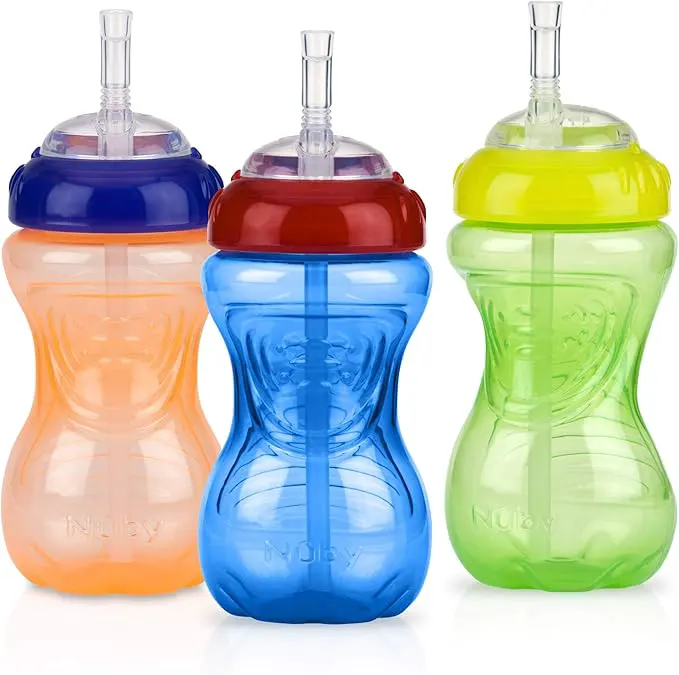
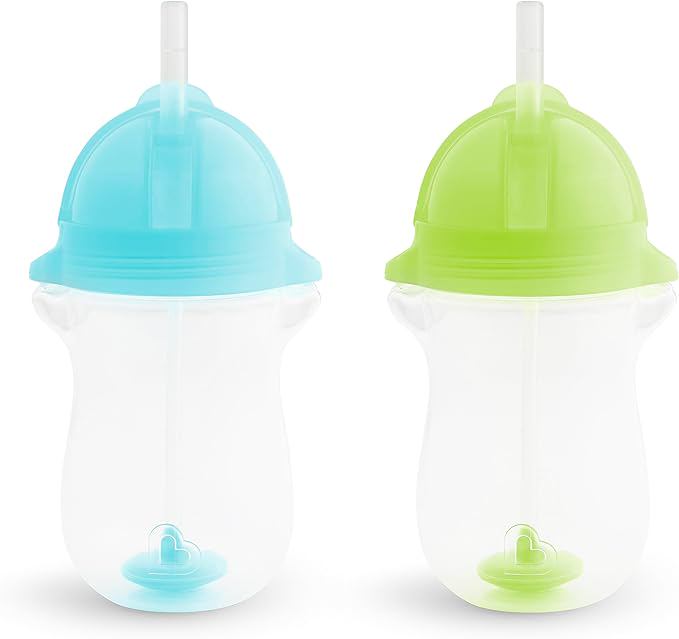
The simplest approach is to wait for the green light from your pediatrician, usually at the six-month well check. At that point, you can start with a few sips of cool boiled water from a small open cup or a sippy cup. A straw cup also works well for some babies. Avoid bottles for water, since babies may treat them like a milk feed and take in more than they need.
- Start with 1–2 ounces per day, offered with meals.
- Increase slowly as solid food intake grows, but never exceed 4–8 ounces per day in the first year without a doctor's guidance.
- Watch for signs that your baby is getting enough fluid from their main feeds: enough wet diapers, normal tear production, and a soft fontanelle (the soft spot on top of the head).
- If your baby refuses water, that is often fine. Milk or formula still provides the hydration they need.
When to call the doctor
If your baby seems excessively thirsty, has been vomiting or has diarrhea, or shows signs of dehydration (dry mouth, fewer wet diapers than usual, lethargy), contact your pediatrician. Those situations may call for electrolyte solutions rather than plain water. Also seek medical advice if you notice swelling or puffiness in the face, muscle twitching, abnormal sleepiness, or a change in behavior after water consumption—these could point to water intoxication.
The takeaway here is that water, introduced thoughtfully, is a minor part of your baby's diet for many months. The mistakes of starting early, using too much, or reaching for the wrong kind are all easy to avoid once you know what to look for. Trust the timeline, keep the quantities modest, and you will set your baby up for a healthy relationship with hydration long into childhood.