
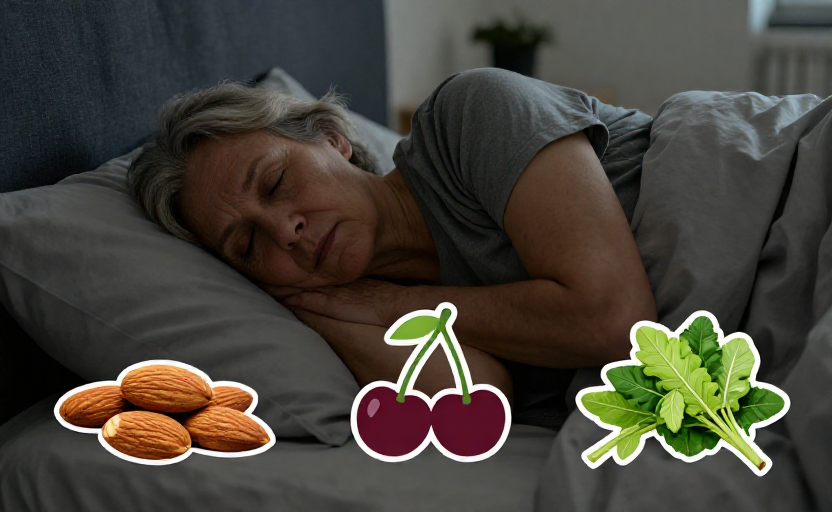
Waking up in the middle of the night can feel like a lonely, frustrating experience, especially when it becomes a regular pattern. For many older adults, this isn't just a minor inconvenience—it's a disruption that can color the entire next day with fatigue and fog. While the reasons for fragmented sleep are varied, two physiological factors frequently emerge as quiet culprits behind those 2 a.m. awakenings. The good news is that alongside other healthy sleep habits, the foods you choose can play a supportive role in creating a more stable foundation for rest.
Let's explore these two common causes and how thoughtful nutrition can help you navigate back toward more continuous sleep.
Cause 1: Shifts in Circadian Rhythm and Core Body Temperature
Our sleep-wake cycle is governed by an internal master clock called the circadian rhythm. As we age, this rhythm can subtly shift forward, a phenomenon sometimes called advanced sleep phase syndrome. This means you might feel sleepy earlier in the evening and, consequently, wake up earlier in the morning—or in the middle of the night, feeling like your sleep is complete.
A key player in this process is core body temperature. To fall and stay asleep, your body needs to drop its core temperature slightly. The natural aging process can affect how well the body regulates this temperature drop and maintains it throughout the night. A slight rise in core temperature in the early morning hours can be enough to pull you from sleep, leaving you staring at the ceiling.
What to Eat to Help
Diet can't reset your internal clock, but it can support its natural rhythm. The goal here is to provide nutrients that aid in the production of melatonin, the hormone that signals sleep, and to avoid foods that might cause internal temperature spikes or digestive work when you should be resting.
- Focus on Tryptophan-Rich Foods Earlier in the Day: The amino acid tryptophan is a precursor to both serotonin and melatonin. Instead of a heavy dinner, include moderate amounts of tryptophan sources at lunch or an early supper. Think poultry, eggs, tofu, pumpkin seeds, and yogurt. When paired with complex carbohydrates—like brown rice or sweet potato—the tryptophan can be more effectively utilized by the brain.
- Incorporate Magnesium: Magnesium is a mineral that plays a role in muscle relaxation and nervous system regulation. Low levels have been linked to restless sleep. Foods like spinach, almonds, cashews, black beans, and avocados are excellent sources. A small handful of almonds with your afternoon snack is a simple, supportive habit.
- Be Mindful of Evening Meals: A large, heavy, or spicy meal too close to bedtime forces your digestive system to work overtime, generating metabolic heat that can interfere with that necessary drop in core body temperature. Aim for a lighter evening meal at least 2-3 hours before bed.
A small, complex carbohydrate snack about an hour before bed, like a few whole-grain crackers, can help stabilize blood sugar and may promote the release of tryptophan.
Cause 2: Nocturia and Hydration Balance
Waking up with the need to use the bathroom—nocturia—is one of the most frequent reasons for sleep interruption in later life. It can be related to various health conditions, but it's also intimately tied to fluid management. How and when you consume liquids can have a significant impact.
The body naturally produces less urine at night. However, certain dietary choices can override this process. Additionally, as we age, the bladder's capacity and elasticity can change, making it more sensitive to even moderate volume.
What to Eat (and Drink) to Help
This is less about specific "sleep foods" and more about intelligent daily hydration strategies and reducing bladder irritants.
- Front-Load Your Hydration: Make a conscious effort to drink the majority of your daily fluids before late afternoon. Sipping water consistently throughout the morning and early afternoon helps ensure you're well-hydrated without overloading your system in the evening.
- Limit Diuretics After Midday: Diuretics prompt your body to expel more water. The most common dietary diuretics are caffeine (in coffee, tea, soda, and chocolate) and alcohol. Both can also directly fragment sleep architecture. Try to enjoy these beverages earlier in the day and opt for herbal, non-caffeinated teas in the evening.
- Identify Potential Bladder Irritants: For some people, acidic foods (like tomatoes or citrus), artificial sweeteners, and very spicy foods can irritate the bladder lining, increasing the sense of urgency. Pay attention to whether your evening meals include these and if they correlate with more frequent nighttime waking.
- Include Natural Anti-Inflammatories: Chronic, low-grade inflammation can affect many bodily systems. Including foods with natural anti-inflammatory properties may support overall health, including pelvic health. Consider adding fatty fish (like salmon), tart cherries, berries, and walnuts to your weekly diet.
Building a Sleep-Supportive Plate
Rather than seeking a single magic food, think about building daily eating patterns that consistently provide the nutrients your nervous system needs to wind down. A diet rich in fiber from vegetables and whole grains, adequate lean protein, and healthy fats supports stable blood sugar levels. This is crucial because a significant blood sugar drop in the middle of the night can trigger a wake-up call from stress hormones like cortisol.
For example, a day of eating for better sleep might look like this:
- Breakfast: Oatmeal topped with walnuts and a few tart cherries.
- Lunch: A large salad with spinach, chickpeas, pumpkin seeds, and grilled chicken.
- Afternoon Snack: A banana or a small yogurt.
- Dinner (2-3 hours before bed): Baked salmon, a small sweet potato, and steamed broccoli.
- Evening (if needed): A cup of chamomile or ginger tea.
This pattern provides a steady stream of magnesium, tryptophan, anti-inflammatory fats, and complex carbohydrates without overburdening digestion at night.
It's important to view food as one piece of your sleep hygiene puzzle. These dietary approaches work best alongside other habits: consistent sleep and wake times, exposure to morning light, a dark and cool bedroom, and a calming pre-sleep routine. If nighttime waking is severe or accompanied by other symptoms like pain or shortness of breath, a conversation with a healthcare provider is essential to rule out underlying conditions like sleep apnea or an overactive bladder. For many, however, gently adjusting the timing and content of meals and drinks can be a simple, empowering step toward more restful nights.