If your work schedule falls outside the traditional nine-to-five, you’re intimately familiar with the unique exhaustion that comes from trying to sleep when the world is awake. Insomnia isn’t just an inconvenience for shift workers; it’s a persistent challenge that can affect your health, mood, and safety. The good news is that understanding the root causes is the first, most powerful step toward reclaiming restful sleep.
While many factors can contribute, two primary biological culprits consistently disrupt sleep for those on rotating, night, or early morning shifts. By addressing these core issues with targeted, practical strategies, you can create a foundation for better sleep, even when your schedule is at odds with the sun.
Cause 1: A Disrupted Circadian Rhythm
Your circadian rhythm is your body’s internal 24-hour clock, governed by a tiny region in your brain called the suprachiasmatic nucleus. This master clock relies heavily on environmental cues, especially light, to synchronize itself. It dictates the daily cycles of hormone release (like melatonin for sleep and cortisol for alertness), body temperature, and digestion.
When you work nights or rotating shifts, you’re essentially asking your internal clock to align with a schedule that contradicts its primary programming. Working under bright lights at night confuses it, while trying to sleep during daylight hours sends conflicting signals. The result is a state of permanent jet lag, where your body’s sleep-wake signals are out of sync with your required sleep window.
Think of it as trying to convince your body that midnight is noon. The internal resistance is profound and biological, not just a matter of willpower.
How to Address Circadian Disruption
You can’t override your circadian rhythm, but you can strategically guide it. The goal is to consistently reinforce the message that your sleep period is your night, regardless of the actual time on the clock.
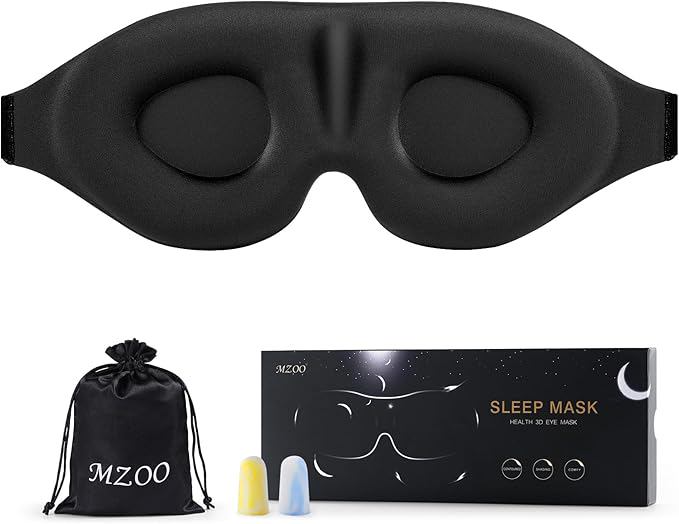
- Master Light Exposure: This is your most powerful tool. After your night shift, wear blue-light-blocking glasses on your commute home. Use blackout curtains, a sleep mask, or even aluminum foil on your bedroom windows to make your sleeping environment pitch dark. Conversely, when you need to be alert for work, seek out bright light. Consider a light therapy lamp for 20-30 minutes before your shift begins to signal “wake time” to your brain.
- Be Consistent When Possible: If your schedule allows, try to keep your sleep and wake times consistent, even on your days off. This regularity helps anchor your circadian rhythm. For rotating shifts, a forward-rotating schedule (moving from day to evening to night) is often easier for the body to adapt to than backward rotations.
- Time Your Meals: Eating at consistent times relative to your shift can also serve as a timing cue. Try to have your “lunch” break in the middle of your work period and avoid large, heavy meals right before you plan to sleep.
Cause 2: Heightened Arousal and Stress
The second major cause of insomnia in shift work is a state of hyperarousal. This isn’t just feeling stressed; it’s a physiological condition where your nervous system is stuck in a heightened state of alert. The combination of an unnatural schedule, potential sleep anxiety (“I have to fall asleep now”), and the general stress of navigating a 24/7 world can keep your fight-or-flight system activated.
When you finally get into bed, your body may still be pumping out cortisol and adrenaline. Your mind might race with thoughts of the workday, family responsibilities, or the fear of not getting enough sleep. This creates a vicious cycle where the bed becomes a place of frustration and wakefulness, not rest.
How to Address Hyperarousal and Stress
Managing this cause is about calming the nervous system and creating strong psychological boundaries between work stress and sleep.
- Build a Wind-Down Buffer: Create a 60-minute pre-sleep ritual that you perform every time before bed, no matter the hour. This tells your brain that sleep is coming. This buffer should be screen-free. It might include gentle stretching, reading a physical book, listening to calming music or a sleep story, or practicing a simple breathing exercise.
- Practice Sleep Restriction (Cautiously): If you’re spending long, frustrated hours in bed awake, it can worsen anxiety. Sleep restriction involves temporarily limiting your time in bed to closer match your actual sleep duration, which builds sleep drive and reduces anxiety. This strategy is best discussed with a healthcare provider or sleep specialist to implement safely.
- Manage the Mental Load: Keep a notepad by your bed. If worries or to-do list items pop up, write them down with the promise to address them after your sleep. This can help clear mental space. Mindfulness or gentle yoga nidra practices can also train your brain to let go of the day’s tensions.
Putting It All Together: A Sample Strategy
Imagine you finish a night shift at 7 AM. Your plan is to sleep from 9 AM to 4 PM.
Post-Shift (7 AM): Put on amber-tinted glasses for the drive home. Keep the house dim. Have a light, protein-focused snack, not a large meal. Avoid caffeine.
Wind-Down (8 AM): Take a warm shower or bath (the subsequent drop in body temperature can promote sleep). Move to your darkened bedroom. Spend 10 minutes listening to an audio meditation or doing quiet breathing exercises in a chair, not in bed.
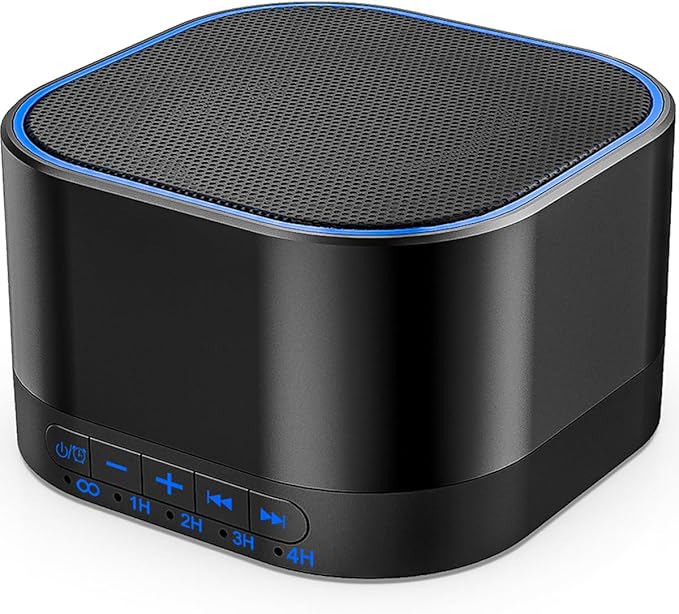
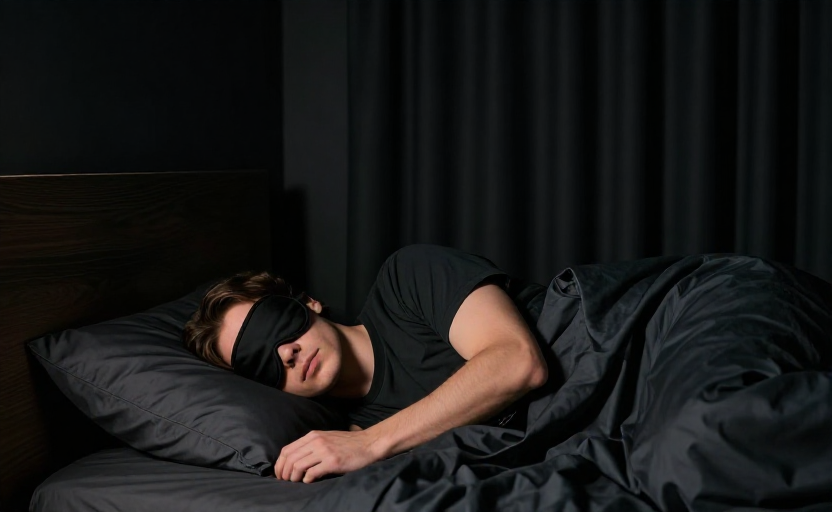
Sleep Time (9 AM): Get into bed with your sleep mask on. Your room should be dark, cool, and quiet—consider white noise or a fan to mask daytime sounds.
Pre-Shift (Evening): Upon waking, open the curtains or use a light therapy lamp for 20-30 minutes. Have a consistent meal. This signals to your circadian clock that your “day” is starting.
Remember, progress is incremental. Start with one or two changes, like committing to absolute darkness during sleep or establishing a 30-minute wind-down routine. Consistency is far more valuable than perfection. If insomnia persists despite your best efforts, consulting a sleep medicine specialist can provide personalized guidance and rule out other sleep disorders like sleep apnea. Your rest is worth the investment.