
Working the night shift is hard enough without lying awake when the sun comes up. You clock out at 7 a.m., exhausted, only to find yourself staring at the ceiling, brain buzzing, while the rest of the world starts its day. It's a frustrating cycle, and more often than not, the culprit isn't your sleep environment or your genes — it's two specific mistakes in your wind-down routine.
As a health editor who has studied circadian rhythms and worked with shift workers, I've seen these traps derail sleep over and over. The good news: once you spot them, they are entirely fixable. Let's take a close look at the two most common bedtime routine mistakes that sabotage sleep after a night shift — and exactly how to adjust them.
Mistake #1: Diving straight from work into bed without a proper wind-down
The biggest mistake I see night-shift workers make is treating the drive home as their entire transition. They bolt out the door, grab a fast-food breakfast, walk in the door, and collapse into bed. This rarely works because your brain and body are still in “on” mode. Your cortisol levels are elevated, your mind is rehashing the shift, and your nervous system is primed for wakefulness — not rest.
What's actually happening
When you work a night shift, your body has been fighting its natural sleep drive. By dawn, your internal clock is actually beginning to rise again, releasing cortisol and other alerting signals. If you don't actively tell your body that it's time to shift gears, you remain in a stress-response state. You may feel physically tired, but your brain hasn't gotten the memo.
Fix it: Build a 30-minute “powering down” buffer
Treat your post-shift routine like a slow descent, not a cliff dive. For at least 20 to 30 minutes before you even think about lying down, do something that signals safety and rest. This is not a “wind-down” of scrolling on your phone. True winding down is passive, boring, and soothing.
Try this: Keep a low-light, tech-free buffer zone. Sit in a dim room with a cup of herbal tea (caffeine-free), take a warm shower or bath, stretch lightly, or listen to a slow-paced podcast or audiobook with no exciting plot. The key is that you are still upright, but your environment is moving toward darkness and quiet. Only after that buffer do you head to bed.
Mistake #2: Leaving the blue-light assault until after you're under the covers
You probably know that screen light before bed is bad. But many night-shift workers make a more specific error: they use their phone or tablet to “decompress” while lying in bed, assuming that since the sun is rising, the rules are different. This backfires badly. Light exposure — especially the blue wavelengths from screens — is the single strongest signal your brain uses to decide whether it's day or night.
Why it's worse after a night shift
Your internal clock is already confused because you were active at night. Morning light (real sunlight or screen light) tells your suprachiasmatic nucleus — the master clock in your brain — that it's time to stay awake. Even a few minutes of bright screen light after a night shift can suppress melatonin production and shift your circadian rhythm toward a daytime schedule, making it harder to fall asleep and stay asleep.
A 2021 study in Chronobiology International found that exposure to blue light after night work significantly delayed sleep onset and reduced total sleep time among healthcare workers. This isn't just a feeling — it's measurable biology.
Fix it: Block blue light before you set foot in the bedroom
- Wear blue-blocking glasses for the final 30–45 minutes of your shift and on the drive home, especially if sunrise is happening. Research shows amber-tinted lenses can help preserve your post-shift sleep window.
- Set your devices to “night mode” before you finish work, and dim your screen brightness to the lowest comfortable level. Even better, avoid screens entirely during your powering-down buffer.
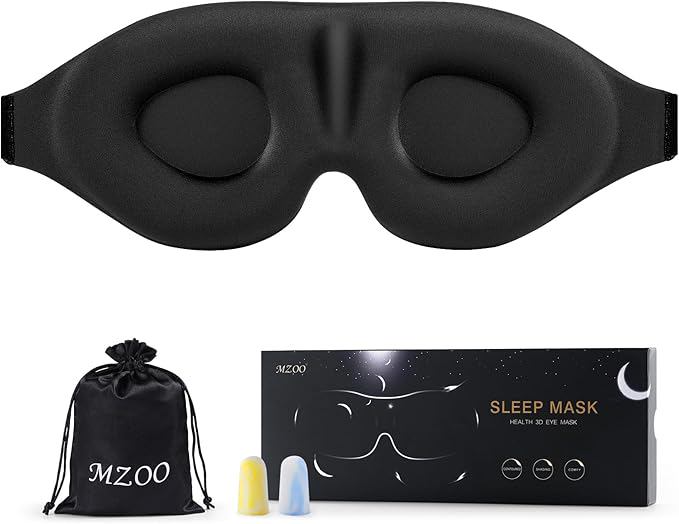
- Use blackout curtains or a sleep mask to keep morning sunlight from sneaking in through gaps. Your bedroom should be as dark as a moonless night — no electronics glowing in the corner.
How to combine these fixes into a simple routine
The best post-night-shift routines are short, repeatable, and low-effort. Here's a 3-step template that addresses both mistakes at once:
- Before leaving work, put on blue-blocking glasses and switch your phone to night mode.
- At home, spend 20–30 minutes in dim-to-dark lighting, away from all screens. Take a shower, drink a non-caffeinated beverage, and do something calm.
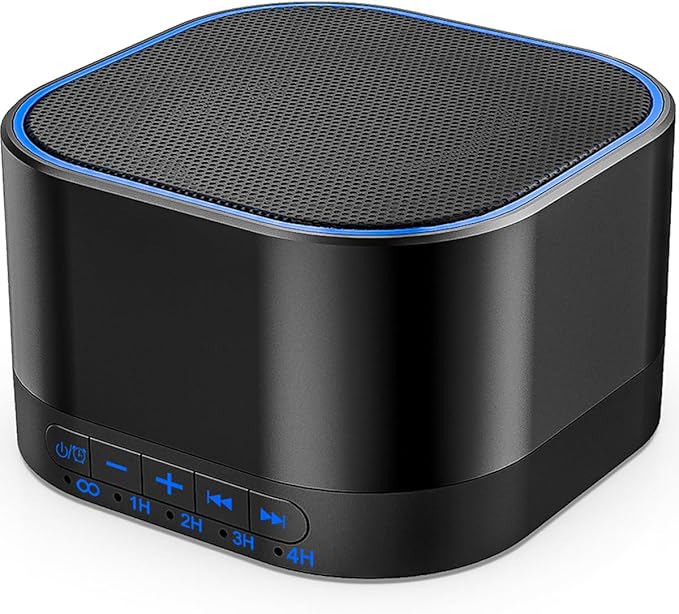
- Head to a pitch-black, cool (65–68°F) bedroom. If you need sound, use a white noise machine or a sleepy podcast that fades out automatically. No phone in hand.
That's it. You've just sidestepped the two biggest pitfalls. No supplements, no complicated apps, no expensive gear. Just the right sequence of light and winding-down time.
If you're still struggling to sleep after a night shift, consider whether you're eating heavy or high-sugar foods right before bed, or relying on alcohol as a sleep aid. Those are separate issues that deserve their own article. But for almost everyone, fixing these two routine mistakes delivers the most immediate improvement. Try them tonight — or rather, this morning — and see what changes.