
Working through the night throws your internal clock into a tailspin. When dawn breaks and you are finally home, the hunger you feel is not just physical—it is also a powerful signal that can help guide your circadian rhythm back toward a healthy sleep-wake cycle. What you eat in those first hours after a night shift matters more than most people realize. The right breakfast can tell your brain that the active day is over and that it is time to prepare for deep, restorative sleep.
Below are two specific breakfast strategies designed to support your body’s natural clock reset. They are not complicated meals, but they are built on solid chronobiology principles: timing, amino acid availability, and blood sugar stability.
Why breakfast timing matters after a night shift
Your body’s master clock, the suprachiasmatic nucleus in the brain, responds strongly to light. But your peripheral clocks—in the liver, pancreas, and muscles—pay close attention to when you eat. If you eat a large, insulin-spiking meal right after a shift, those organs receive a “keep going” signal when you actually need to start winding down. The goal is to eat a meal that is satisfying enough to prevent hunger from waking you up later, but gentle enough not to overstimulate digestion and alertness.
After a night shift, your body is in a state of what researchers call “circadian misalignment.” Eating a strategically composed breakfast within one to two hours after your shift ends can help reduce that misalignment. The key is to limit high-glycemic carbohydrates and emphasize protein and healthy fats, which promote satiety without causing a sharp insulin surge.
Breakfast 1: The tryptophan-rich bowl
Tryptophan is an amino acid that your body converts into serotonin and then into melatonin, the hormone that regulates sleep. The challenge is that tryptophan has to compete with other large neutral amino acids to cross the blood-brain barrier. You can shift the odds in tryptophan’s favor by pairing it with a small amount of carbohydrate—enough to trigger an insulin response that clears competing amino acids from the bloodstream, but not so much that it spikes your blood sugar.
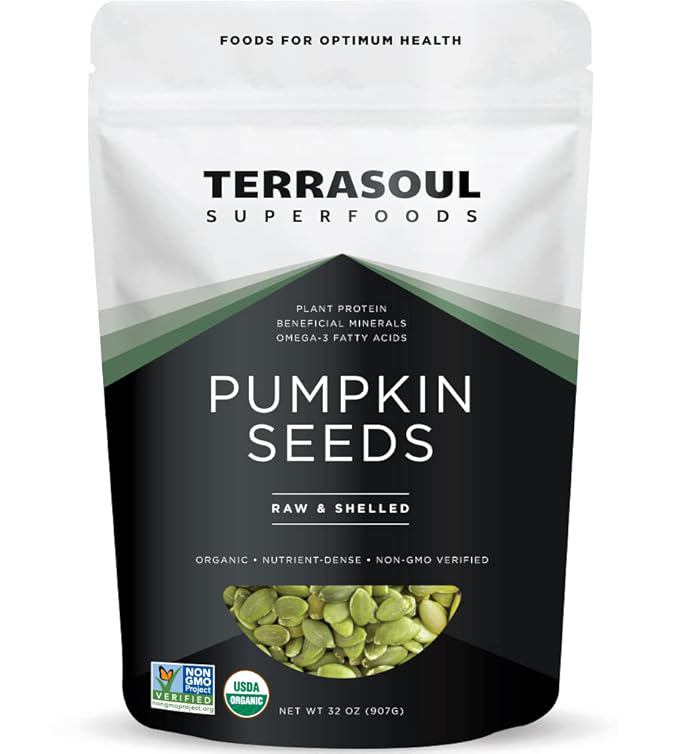
Try a bowl built on plain Greek yogurt or cottage cheese (both good sources of tryptophan), topped with a modest handful of low-sugar berries and a tablespoon of pumpkin seeds or almonds. A sprinkle of ground flaxseed adds fiber and omega-3s. This combination provides about 20–25 grams of protein, a small amount of carbohydrate from the fruit, and healthy fat that slows digestion. The result is a meal that gently nudges your body toward sleep without leaving you groggy from a sugar crash.
Why it works: The protein provides tryptophan, the berries offer just enough carbohydrate to help with uptake, and the fat keeps your blood sugar stable through your sleep window.
Breakfast 2: The savory egg-and-green plate
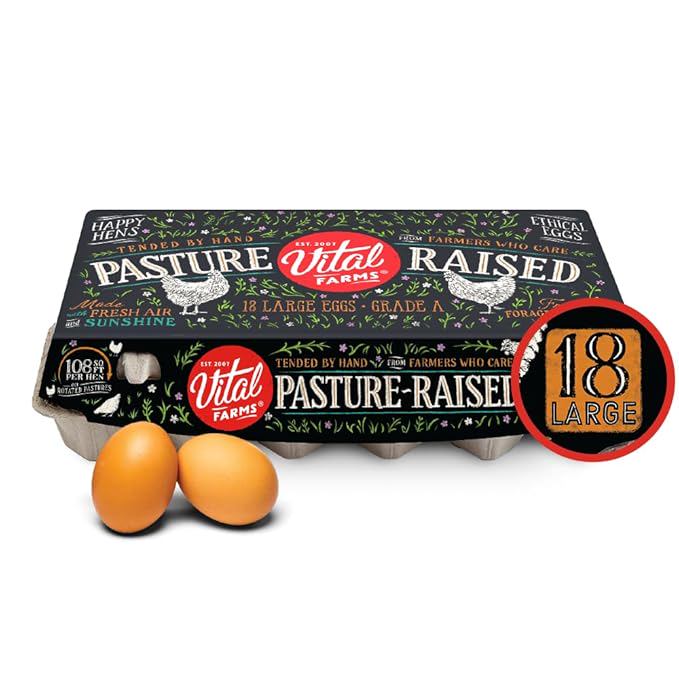
If cold yogurt does not sound appealing after a long shift, a warm, savory meal can be just as effective. Eggs are a complete protein with a solid tryptophan content, and when you pair them with dark leafy greens like spinach or kale, you add magnesium, a mineral that supports GABA (gamma-aminobutyric acid) activity in the brain. GABA is an inhibitory neurotransmitter that helps calm neural activity and promote relaxation.
Scramble two eggs with a generous handful of spinach and a small portion of leftover roasted sweet potato or a slice of whole-grain toast. The sweet potato or toast provides a controlled carbohydrate load—enough to help tryptophan absorption, but not enough to spike your glucose. A drizzle of olive oil or a few slices of avocado rounds out the meal with anti-inflammatory fats.
A note on portion size: Keep your vegetable portion larger than your starch portion. The goal is a plate that is roughly half greens, a quarter protein, and a quarter complex carbohydrate. This balance supports gradual digestion and steady blood sugar.
This combination works well for people who find that a warm meal helps them feel more settled and ready to sleep. The magnesium from the greens combined with the tryptophan from the eggs creates a nutrient profile that directly supports the production of melatonin and the relaxation response.
What to avoid in a post-shift breakfast
It can be tempting to grab a sugary pastry or a bowl of sweetened cereal when you are exhausted and hungry. Those choices, however, tend to produce a rapid spike in blood sugar followed by a crash that can lead to restless sleep or early waking. Caffeine is another tricky element. If you had coffee during your shift, try to stop all caffeine intake at least four to six hours before you plan to sleep. A breakfast that includes caffeine—from coffee or even strong tea—can interfere with your ability to fall asleep and stay asleep.
Heavy, greasy meals also work against you. Fried foods and rich sauces take longer to digest and can cause discomfort or acid reflux when you lie down within a few hours of eating. Keep your post-shift meal simple and whole-food based.
Putting it together into a small routine
Consistency matters more than perfection. If you can eat one of these breakfasts within an hour of finishing your shift, then avoid eating another substantial meal for the rest of your waking-sleep period, you will give your internal clocks a stable signal. Many shift workers find it helpful to eat, then go through a brief wind-down routine—dimming lights, avoiding screens, and doing a few minutes of gentle stretching—before lying down in a cool, dark room.
Over time, this pattern can help your body adapt to the demands of irregular hours. The meals themselves are flexible: swap cottage cheese for tofu if you prefer plant-based protein, or replace eggs with canned salmon if you want more omega-3s. The principle stays the same: support your body's natural sleep chemistry through strategic nutrition.